Your garage door opens and closes thousands of times each year without you giving it much thought. Until the day it doesn’t.
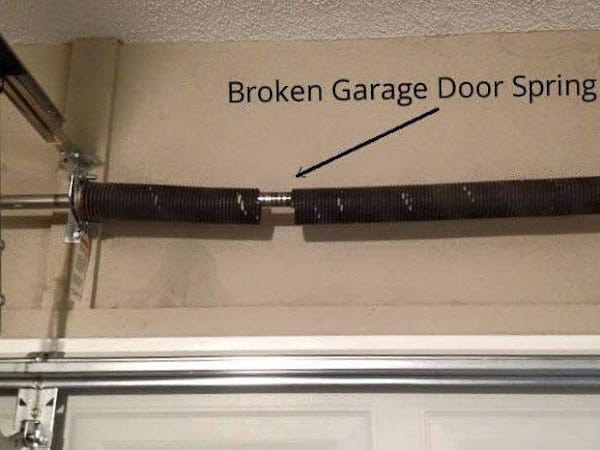
Maybe it starts with a strange grinding noise that you ignore for weeks. Or your garage door broken springs announce themselves with a loud bang that echoes through the neighborhood. Sometimes the door just stops working entirely—no warning, no gradual decline, just complete garage door failure when you’re already running late.
At State Line Door & Lift, we see the same patterns of garage door failure over and over again throughout Kansas City. Homeowners call us in a panic because their door won’t open, won’t close, or worse—dropped unexpectedly and damaged their car.
The frustrating part is that most garage door failures are completely preventable.
We’ve analyzed hundreds of service calls over the years, and the same five issues cause the majority of garage door breakdowns. Some failures happen because homeowners don’t know what warning signs to watch for. Others occur because people put off simple maintenance that could prevent major problems.
But here’s the good news: understanding these common failure patterns helps you spot problems early, take preventive action, and avoid the inconvenience and expense of emergency repairs. Let’s look at the five most common causes of garage door failure and exactly what you can do to prevent them.
1. Broken or Worn Garage Door Springs – The #1 Cause of Failure
Springs are the hardest-working parts of your entire garage door system, and they’re responsible for more failures than everything else combined.
Your garage door weighs 150-400 pounds, depending on size and materials. Without springs to counterbalance that weight, your opener motor would burn out trying to lift it. Springs store and release the energy needed to make opening and closing feel effortless.
Why springs fail:
- Normal wear from repeated cycles (most last 10,000-15,000 opening/closing cycles)
- Rust and corrosion from humidity and temperature changes
- Poor maintenance leading to increased friction and wear
- Wrong spring size or installation putting excessive stress on the system
- Extreme weather conditions causing metal fatigue
Warning signs your springs need attention:
- Door feels extremely heavy when lifted manually
- Garage door opener struggles or makes strained sounds
- Door won’t stay open when released at the halfway point
- Visible rust, gaps, or deformation in spring coils
- Door opens or closes unevenly, favoring one side
How to prevent spring failure:
- Lubricate springs every 3-4 months with garage door lubricant
- Keep springs clean and dry to prevent rust formation
- Schedule annual professional inspections to catch wear early
- Don’t overuse your garage door unnecessarily
- Address balance issues immediately to prevent spring overload
What to do when springs break: Never attempt to operate your garage door with broken springs. The door becomes extremely heavy and dangerous. Disconnect the opener and call your local garage door company immediately. Trying to force operation can damage the opener motor, cables, and other components.
Professional spring replacement: Spring replacement requires specialized tools and knowledge to handle safely. We recommend replacing both springs simultaneously, even if only one breaks, to ensure balanced operation and prevent a second failure shortly after repair.
2. Garage Door Opener Motor Failure – When Technology Breaks Down
Modern garage door openers are reliable, but they’re not immune to failure. Motor problems can leave you stranded in or out of your garage, often at the worst possible times.
Common opener motor problems:
- Overheating from excessive use or poor ventilation
- Electrical issues including burned-out capacitors or circuit boards
- Mechanical wear in gears, chains, or belts
- Power surges damaging electronic components
- Poor maintenance leading to increased friction and motor strain
Why opener motors fail prematurely:
- Operating doors with broken or unbalanced springs forces motors to work harder
- Extreme temperature conditions in unheated garages
- Lack of lubrication causing increased resistance
- Electrical problems like voltage fluctuations or poor connections
- Age-related wear on older units (15+ years)
Warning signs of opener motor problems:
- Motor runs but door doesn’t move (gear or coupling failure)
- Intermittent operation that becomes more frequent
- Loud grinding, clicking, or humming sounds during operation
- Opener light flickers or dims during use
- Remote control range becomes shorter or inconsistent
Preventing opener motor failure:
- Keep garage door properly balanced to reduce motor strain
- Ensure adequate ventilation around opener unit to prevent overheating
- Use surge protectors to protect against electrical damage
- Schedule regular maintenance including lubrication and adjustment
- Don’t operate door manually with opener engaged unless absolutely necessary
Motor maintenance you can do:
- Keep opener unit clean and dust-free
- Test auto-reverse and photo sensor features monthly
- Replace remote control batteries promptly when weak
- Check for loose mounting bolts and tighten as needed
When to repair vs. replace: Opener motors under 10 years old are usually worth repairing. Units over 15 years old often make more sense to replace, especially if they lack modern safety features.
3. Damaged or Misaligned Tracks – The Silent System Killer
Your garage door rides on metal tracks, and these tracks must stay perfectly aligned for smooth operation. Track problems often develop slowly, creating increasing resistance that stresses other components until something fails catastrophically.
How tracks become problematic:
- Gradual loosening of mounting brackets over time
- Impact damage from vehicles, ladders, or other objects
- Building settlement affecting track alignment
- Debris accumulation preventing smooth operation
- Poor initial installation creating ongoing problems
Track problems we see regularly:
- Bent or dented track sections that bind door movement
- Loose mounting brackets allowing the tracks to shift
- Gaps between track sections creating catching points
- Debris buildup preventing rollers from moving freely
- Vertical tracks out of plumb causing uneven operation
Warning signs of track issues:
- Door jerks, hesitates, or binds during operation
- Unusual scraping or grinding noises
- Door appears crooked when viewed from outside
- Rollers jump or skip rather than rolling smoothly
- Door requires extra force to open or close manually
Preventing track problems:
- Keep tracks clean and free of debris monthly
- Inspect mounting brackets for looseness during routine maintenance
- Protect tracks from impact damage in busy garages
- Address minor alignment issues before they worsen
- Don’t hang storage items from tracks or mounting hardware
Track maintenance you can handle:
- Wipe down tracks with damp cloth monthly
- Remove leaves, ice, or other debris promptly
- Check that rollers move freely in track channels
- Look for obvious damage like dents or bends
Professional track service: Track alignment requires precision measurement and adjustment. Small changes in track position dramatically affect door operation. We use specialized tools to ensure tracks are perfectly aligned and securely mounted.
4. Cable and Hardware Failures – The Weak Link Problem
Garage doors have numerous cables, hinges, rollers, and hardware components that work together for smooth operation. When these components wear out, they create a cascade of problems that can lead to sudden, dangerous failures.
Critical hardware components:
- Lift cables that connect springs to door bottom brackets
- Extension spring cables that run through pulleys
- Hinges connecting door sections and allowing folding
- Rollers that guide door movement in tracks
- Bottom brackets that anchor cable attachment points
Why hardware fails:
- Normal wear from thousands of operating cycles
- Lack of lubrication causing increased friction and heat
- Rust and corrosion weakening metal components
- Improper adjustment creating stress concentration
- Age-related metal fatigue in older systems
Cable failure patterns: Cables typically show warning signs before complete failure. Look for frayed wires, rust spots, or areas where cable strands are separating. Complete cable failure can cause doors to fall suddenly, creating serious safety hazards.
Roller and hinge problems: Worn rollers create drag that stresses springs and opener motors. Bad hinges cause binding and uneven operation. Both problems accelerate wear on other system components.
Hardware maintenance strategies:
- Lubricate all moving parts every 3-4 months
- Inspect cables for fraying or damage during monthly checks
- Replace worn rollers before they damage tracks
- Keep hardware clean and rust-free
- Tighten loose bolts and fasteners regularly
When hardware replacement makes sense: Individual component replacement works for newer systems. Older doors (15+ years) often benefit from comprehensive hardware upgrades that address multiple wear items simultaneously.
Safety considerations: Never attempt to adjust or replace cables yourself. They’re under high tension and can cause serious injury if handled improperly. Professional service ensures safe handling and proper adjustment.
5. Weather-Related Damage – Nature’s Impact on Your Garage Door
Kansas City weather puts garage doors through extreme conditions that accelerate wear and cause unexpected failures. From ice storms to tornado-force winds, our climate challenges every component of your door system.
Weather conditions that damage garage doors:
- Ice formation that adds weight and prevents proper operation
- High winds that stress springs, tracks, and mounting hardware
- Extreme temperature swings causing expansion and contraction
- Humidity promoting rust and component deterioration
- Hail damage affecting panels and weather sealing
Seasonal failure patterns: We see predictable spikes in garage door problems during specific weather conditions. Spring storms cause track alignment issues from building movement. Summer heat accelerates opener motor problems. Winter cold makes springs brittle and more likely to break.
Weather-related damage types:
- Panel dents and cracks from hail or wind-blown debris
- Spring failures during extreme cold snaps
- Track misalignment from building settlement during freeze-thaw cycles
- Weather seal damage allowing moisture infiltration
- Electrical problems from power surges during storms
Weather protection strategies:
- Install surge protection for opener electrical components
- Maintain proper weather sealing to prevent moisture damage
- Don’t operate doors during ice storms when possible
- Keep drainage clear around garage foundation
- Schedule pre-season maintenance before extreme weather periods
Storm preparation: Before severe weather, ensure your garage door is properly balanced and all components are secure. Test manual operation in case the power fails. Clear potential debris from around the door area.
Post-storm inspection: After severe weather, inspect your garage door for damage before normal operation. Look for bent tracks, damaged panels, or hardware that’s shifted. Address problems promptly to prevent secondary damage.
Insurance considerations: Document weather damage thoroughly for insurance claims. Professional repair ensures work meets code requirements and restores proper operation safely.
Creating a Prevention Plan
Preventing garage door failure requires consistent attention and proactive maintenance. Here’s a practical prevention plan:
Monthly homeowner checks:
- Listen for unusual sounds during operation
- Test manual operation and auto-reverse safety features
- Visually inspect springs, cables, and hardware for obvious problems
- Clean tracks and remove debris
- Check weather sealing for gaps or damage
Quarterly maintenance tasks:
- Lubricate all moving parts with appropriate products
- Test door balance by disconnecting opener and lifting manually
- Inspect and clean photo sensors
- Check opener mounting and hardware tightness
- Replace weather stripping if damaged
Annual professional service:
- Complete system inspection by qualified technicians
- Spring tension adjustment and balance optimization
- Hardware tightening and replacement of worn components
- Opener force adjustment and safety feature testing
- Comprehensive cleaning and lubrication
Seasonal preparations:
- Pre-winter inspection focusing on cold weather vulnerabilities
- Spring cleanup including track debris removal and seal inspection
- Summer opener maintenance to prevent overheating
- Fall preparation for severe weather season
When to Repair Garage Door vs. Replace
Sometimes, preventing failure means knowing when repair makes sense versus when replacement is smarter:
Repair makes sense when:
- Door is under 10 years old with isolated component problems
- Structural elements (tracks, springs, opener) are in good condition
- Cost of repairs is less than 50% of replacement cost
- Door appearance and function meet your current needs
Replacement makes sense when:
- Multiple systems showing wear simultaneously
- Door is 15+ years old with recurring problems
- Safety features are outdated or missing
- Energy efficiency is poor compared to modern options
- Appearance no longer matches home’s style
Emergency Response Planning
Despite the best prevention efforts, garage door failures can happen unexpectedly. Having an emergency plan minimizes inconvenience:
Emergency preparation:
- Keep manual override instructions posted in garage
- Have flashlight and basic tools accessible
- Know how to safely disconnect opener for manual operation
- Keep contact information for reliable repair services readily available
When garage door broken situations occur:
- Assess safety hazards before attempting any operation
- Don’t force doors that won’t operate normally
- Document damage with photos for insurance purposes
- Contact professional repair services promptly
Temporary solutions: Professional technicians can often provide temporary fixes that restore basic functionality while ordering parts for permanent repairs. This approach minimizes disruption while ensuring safety.
Working with Professional Service Providers
Preventing garage door failure often requires professional expertise. Choose service providers who:
- Offer comprehensive inspections, not just specific repairs
- Provide honest assessments of repair vs. replacement options
- Stock quality parts and components
- Stand behind their work with meaningful warranties
- Focus on prevention, not just problem resolution
Building ongoing relationships: Regular service relationships with trusted professionals provide several advantages: they know your door’s history, can spot developing problems early, and often provide priority service for their regular customers.
The Cost of Prevention vs. Failure
Investing in prevention saves money compared to dealing with failures (these are national averages, not our prices – be sure to contact Stateline Door & Lift for a free estimate! Prices changes annually and by region for most garage door repair companies – but you knew that, right?!):
Prevention costs:
- Annual professional maintenance: $100-200
- Quarterly DIY maintenance supplies: $20-40 annually
- Proactive component replacement: $50-300 as needed
Failure costs:
- Emergency service calls: $200-500+
- Major component replacement: $300-800
- Secondary damage from failures: $500-2,000+
- Inconvenience and lost time: Significant
The math is clear: prevention costs far less than dealing with failures, especially emergency situations that occur at inconvenient times.
Ready to Prevent Garage Door Problems?
At State Line Door & Lift, we specialize in preventing garage door failures through comprehensive maintenance services. Our prevention-focused service helps Kansas City homeowners avoid the inconvenience and expense of unexpected breakdowns.
Our prevention program includes:
- Thorough inspection of all system components
- Identification of wear patterns before they cause failures
- Proactive replacement of components approaching end of service life
- Seasonal preparation for weather-related challenges
- Emergency service when prevention isn’t enough
Don’t wait for garage door failure to disrupt your routine. Preventive maintenance keeps your door operating reliably while saving money on repairs and replacements.
Call State Line Door & Lift at 816-616-8352 to schedule your comprehensive garage door inspection. Let’s prevent problems before they happen and keep your door working smoothly year-round.