It starts as a little squeak you barely notice. Then it becomes a grinding sound that makes you wince. Before long, your garage door sounds like a freight train rolling through your house every time you come and go.
Garage door noise isn’t just annoying—it’s your door trying to tell you something important.
At State Line Door & Lift, we get calls every week from Kansas City homeowners asking, “Why is my garage door so loud?” Sometimes they’re embarrassed about waking the neighbors at 6 AM. Other times they’re worried the noise means something expensive is about to break.
Here’s what we’ve learned from diagnosing hundreds of noisy garage doors: that racket coming from your garage usually has one of three root causes. Each cause has distinct sound patterns, specific underlying problems, and fortunately, solutions that can restore quiet operation.
The good news is that most garage door noise problems are fixable without major repairs or replacements. But ignoring the sounds can lead to more serious issues that cost significantly more to address.
Your garage door operates thousands of times each year. All those moving parts—springs, rollers, hinges, chains, and motors—create friction and wear. When components aren’t properly maintained or start to fail, they announce their problems through increasingly loud operation.
Let’s look at the three most common causes of garage door noise and what you can do about each one.
1. Worn or Damaged Rollers Creating Grinding and Scraping Sounds
If your garage door sounds like it’s grinding against sandpaper as it opens and closes, the problem is almost certainly worn rollers.
Garage door rollers guide your door up and down the tracks during operation. Quality rollers should move smoothly and quietly for thousands of cycles. When they wear out, develop flat spots, or lose their bearings, they create distinctive grinding, scraping, or rattling sounds that get worse over time.
Why rollers wear out:
- Normal use over many years (most rollers last 7-10 years)
- Lack of lubrication causing increased friction and heat
- Dirt and debris accumulation in roller bearings
- Poor-quality rollers that weren’t designed for long-term use
- Track misalignment putting extra stress on rollers
Types of rollers and their noise patterns:
Steel rollers without bearings: These basic rollers are loud even when new and become extremely noisy as they wear. They’re common on older doors and budget installations. The grinding sound is constant during operation.
Steel rollers with bearings: Better than basic steel, but still create noise as bearings wear out. You’ll hear grinding that gets worse as the door operates, especially noticeable when starting and stopping.
Nylon rollers: Much quieter than steel options and popular for attached garages where noise matters. When they wear, you’ll hear scraping sounds as the nylon wears against the tracks.
Ball bearing rollers: The quietest option when properly maintained. Failure usually creates rattling sounds as bearing cages break down.
Identifying roller problems:
- Look at your rollers while the door operates—worn rollers will wobble or bind
- Check for flat spots on roller surfaces
- Notice if grinding sounds come from specific points during door travel
- Observe whether noise occurs on one side more than the other
Solutions for roller noise:
Lubrication: Sometimes worn rollers just need proper lubrication. Use garage door-specific lubricant on roller bearings, but don’t over-lubricate as excess attracts dirt.
Cleaning: Remove built-up debris from roller surfaces and tracks. Dirty rollers create more friction and noise.
Roller replacement: Worn rollers should be replaced before they damage tracks or stress other components. This is typically a professional job requiring specific tools and safety procedures.
Track cleaning: Clean tracks help new rollers operate quietly and extend their service life.
Upgrade considerations: If you’re replacing rollers anyway, consider upgrading to quieter ball bearing models. The cost difference is minimal, but noise reduction is significant.
Professional roller service: Roller replacement involves working with doors under spring tension, which can be dangerous. We recommend contacting a local garage door repair company (like Stateline Door & Lift!) for roller replacement to ensure safety and proper adjustment.
2. Garage Door Opener Problems Causing Motor and Mechanical Noise
When your garage door opener starts making unusual sounds, it’s often signaling mechanical problems that need attention before they become major failures.
Your garage door opener motor and drive system work together to lift and lower hundreds of pounds smoothly and quietly. When components wear out or become misaligned, they create distinctive noises that indicate specific problems.
Common garage door opener problems and their sounds:
Chain drive noise issues:
- Rattling chains: Loose chains slap against the rail during operation, creating a distinctive metallic rattling sound
- Grinding chain drives: Worn sprockets or dirty chains create grinding sounds, especially when starting and stopping
- Clicking sounds: Usually indicate chain links catching on worn sprockets or misaligned rail components
Belt drive problems:
- Squealing belts: Worn or loose belts create high-pitched squealing sounds, especially during startup
- Thumping sounds: Belts with worn spots or stretching create rhythmic thumping during operation
- Slipping noises: Belts that slip on pulleys create intermittent scraping sounds
Garage door motor issues:
- Humming without movement: Motor runs but door doesn’t move, often indicating gear failure or mechanical binding
- Grinding motor sounds: Internal gear wear creates grinding noises that worsen over time
- Clicking from motor unit: Electrical relay problems or gear teeth skipping create intermittent clicking
- Loud starting sounds: Motors that work harder than normal create straining sounds during startup
Why garage door opener problems develop:
- Normal wear from years of daily operation
- Lack of maintenance allowing lubrication to dry out
- Dirt and debris accumulation in drive mechanisms
- Improper adjustment creating extra stress on components
- Operating doors with broken or unbalanced springs forces openers to work harder
Diagnosing opener noise problems:
Listen to timing: Does noise occur during startup, throughout operation, or only when stopping? Different timing patterns indicate different problems.
Observe operation: Watch the door operate while listening. Does it hesitate, jerk, or operate unevenly? Visual cues help identify mechanical problems.
Check door balance: Disconnect the opener and operate the door manually. If it’s difficult to lift or doesn’t stay open at halfway, spring problems may be stressing your opener motor.
Solutions for opener noise:
Chain adjustment: Loose chains need proper tensioning. Chains should have about 1/2 inch of slack at the midpoint when the door is closed. Too tight creates binding; too loose creates rattling.
Lubrication: Apply garage door lubricant to chain drives, belt pulleys, and all moving opener components. Clean old lubricant first to prevent dirt accumulation.
Belt replacement: Worn belts should be replaced before they fail completely. Belt replacement is typically more cost-effective than waiting for failure.
Motor service: Internal motor problems usually require professional diagnosis and repair. Some issues, like worn gears, are repairable; others require motor replacement.
Rail alignment: Misaligned rails create binding that stresses motors and creates noise. Professional adjustment ensures optimal operation.
When to repair vs. replace openers:
- Openers under 10 years old are usually worth repairing
- Units over 15 years old often make more sense to replace, especially if they lack modern safety features
- Multiple simultaneous problems may indicate it’s time for a new opener
Professional opener service: Garage door opener repair requires electrical and mechanical expertise. We recommend professional diagnosis from your Kansas City Garage Door Repair Company for motor problems, especially since improper repair can create safety hazards.
3. Poor Lubrication and Maintenance Creating System-Wide Noise
Sometimes the cause of garage door noise isn’t a single failed component—it’s neglected maintenance that affects your entire door system.
Garage doors have dozens of moving parts that require regular lubrication and maintenance. When maintenance is neglected, friction increases throughout the system, creating a symphony of squeaks, grinding sounds, and rattles that get progressively worse.
Components that need regular maintenance:
- Hinges connecting door sections
- Spring mounting hardware and brackets
- Roller bearings and track contact points
- Opener drive mechanisms and hardware
- Weather sealing that can bind against door frames
How poor maintenance creates noise:
Dry hinges: Without lubrication, hinges develop increased friction that creates squeaking and grinding sounds as door sections fold and unfold.
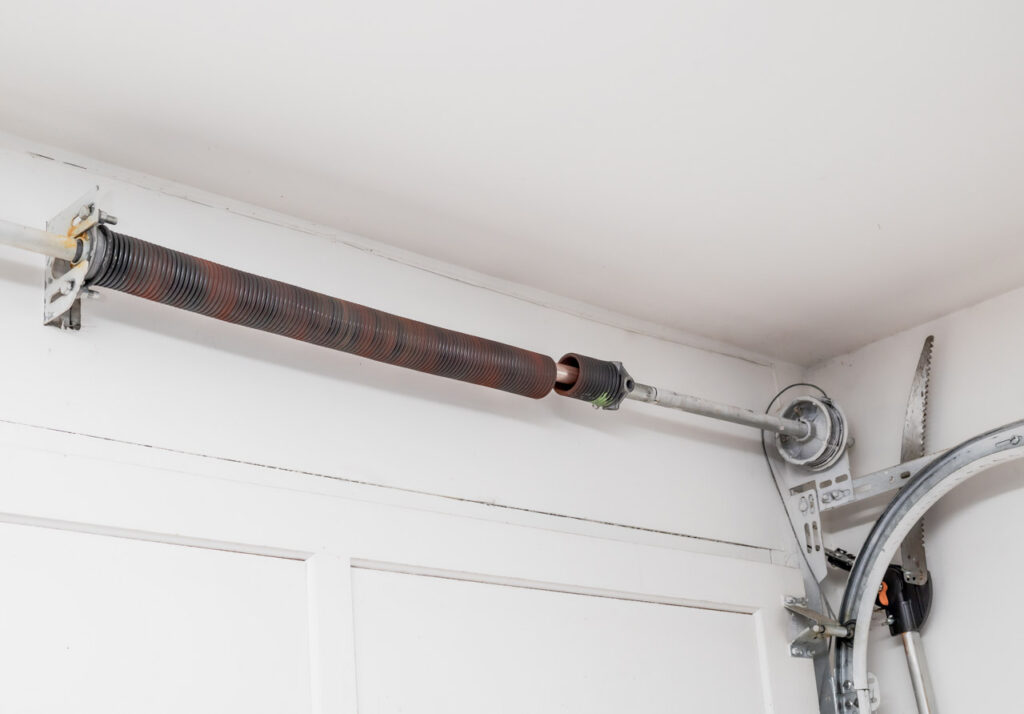
Spring noise: Dry or rusty springs create twisting sounds during operation. Torsion springs especially need regular lubrication to operate quietly.
Hardware loosening: Vibration from poor lubrication gradually loosens bolts and brackets, creating rattling sounds throughout the system.
Increased friction: Dry components work harder, creating heat and accelerating wear that leads to more noise and eventual failure.
Chain of problems: When one component works harder due to poor maintenance, it stresses other components, creating cascading problems throughout the system.
Maintenance-related noise patterns:
- Squeaking that occurs throughout door operation
- Grinding sounds from multiple locations
- Rattling that varies with door position
- Noise that gets progressively worse over time
- Sound that occurs on both opening and closing cycles
Proper lubrication techniques:
Choose the right lubricant: Use garage door-specific lubricants or white lithium grease. Avoid WD-40, which is a penetrating oil, not a long-term lubricant.
Clean before lubricating: Remove old, dirty lubricant and debris before applying fresh lubricant. Clean components work better and last longer.
Focus on moving parts: Lubricate hinges, roller bearings, springs, and opener mechanisms. Don’t lubricate tracks—doors should roll on clean, dry surfaces.
Apply sparingly: Too much lubricant attracts dirt and debris. A light coating is more effective than a heavy application.
Wipe excess: Remove excess lubricant to prevent dirt accumulation and dripping onto vehicles or floors.
Maintenance schedule for quiet operation:
Monthly: Visual inspection for obvious problems and cleaning of tracks and rollers
Quarterly: Complete lubrication of all moving parts and testing of door balance
Annually: Professional inspection and comprehensive maintenance, including hardware tightening and component assessment
Seasonal: Additional lubrication before extreme weather seasons, when components work harder
DIY maintenance you can handle:
- Cleaning tracks and removing debris
- Lubricating accessible hinges and rollers
- Visual inspection of obvious wear or damage
- Testing door balance and safety features
- Cleaning and lubricating opener chains or belts
When to call a local garage door repairman:
- Spring lubrication and adjustment (springs are under dangerous tension)
- Hardware tightening that requires specific torque specifications
- Component replacement involving safety-critical parts
- Electrical issues with opener controls
- Problems requiring specialized tools or expertise
Cost of maintenance vs. repairs: Regular maintenance typically costs $100-200 annually but prevents repairs that can cost $300-800 or more. The math strongly favors preventive maintenance.
Additional Noise Sources and Solutions
While worn rollers, opener problems, and poor maintenance cause most garage door noise, several other issues can contribute to racket:
Weather-related noise:
- Cold weather makes lubricants thick and components contract, increasing noise
- Humidity can cause rust that creates grinding sounds
- Ice formation adds weight and resistance that stresses components
Installation-related problems:
- Poorly mounted openers transfer vibration to house structure
- Misaligned tracks create binding and noise throughout operation
- Inadequate structural support allows excessive movement and rattling
Age-related wear:
- Old doors with accumulated wear in multiple components
- Outdated hardware that wasn’t designed for quiet operation
- Components that have reached end of service life simultaneously
Environmental factors:
- Dust and debris accumulation from construction or landscaping
- Chemical exposure that accelerates component deterioration
- Temperature extremes that stress materials beyond design limits
When Garage Door Noise Indicates Serious Problems
While many noise issues are maintenance-related, some sounds indicate serious problems requiring immediate attention:
Dangerous noise patterns:
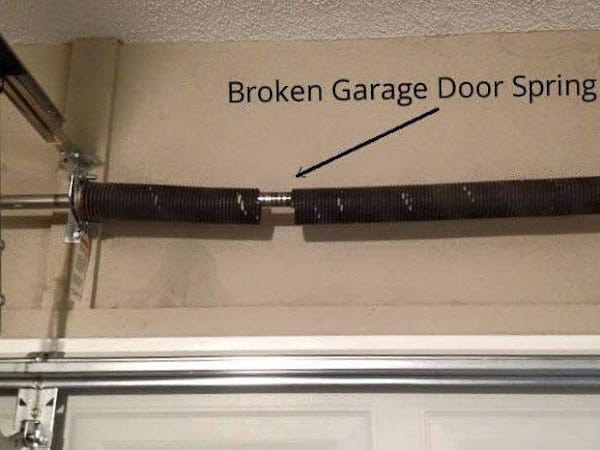
- Loud snapping or popping sounds (often indicate spring failure)
- Sudden increases in noise levels (may signal component failure)
- Grinding accompanied by door binding or jerky operation
- Motor noise without door movement (gear or coupling failure)
- Rattling accompanied by visible hardware loosening
Safety considerations: Never ignore sudden changes in garage door noise patterns. What starts as unusual sound can quickly become complete failure that creates safety hazards.
Emergency situations: If your garage door makes loud snapping sounds or suddenly becomes extremely heavy to operate manually, stop using it immediately and call professional service.
Professional Noise Diagnosis and Solutions
At State Line Door & Lift, we use systematic approaches to diagnose and solve garage door noise problems:
Our noise diagnosis process:
- Listen to operation patterns: Different sounds indicate different problems
- Visual inspection: Look for obvious wear, damage, or misalignment
- Component testing: Check individual parts for proper operation
- System evaluation: Assess how components work together
- Maintenance history: Understand previous service and care
Comprehensive noise solutions:
- Component replacement for worn parts
- System lubrication with proper products
- Hardware adjustment and tightening
- Track alignment and cleaning
- Opener service and optimization
Preventive recommendations: We provide maintenance schedules tailored to your specific door, usage patterns, and environmental conditions.
The Cost of Ignoring Garage Door Noise
Postponing noise-related repairs usually costs more than addressing problems promptly:
Escalating repair costs:
- Minor lubrication needs become component replacement
- Single component problems stress other parts
- Emergency repairs cost significantly more than planned service
- Component failures can damage related systems
Convenience impacts:
- Loud operation disturbs family and neighbors
- Unexpected failures leave you stranded
- Emergency service may not be immediately available
- Temporary solutions rarely address underlying problems
Safety considerations: Some noise indicates safety-related problems that could cause injury if ignored.
Ready to Quiet Your Garage Door?
Don’t let garage door noise disrupt your daily routine or signal bigger problems developing in your door system.
At State Line Door & Lift, we specialize in diagnosing and solving garage door noise problems throughout the Kansas City area. Our experienced technicians can identify the source of your noise issues and provide effective solutions that restore quiet operation.
Our noise diagnosis and repair service includes:
- Comprehensive evaluation of your entire door system
- Identification of all noise sources and contributing factors
- Professional repair or replacement of worn components
- Complete lubrication and maintenance service
- Testing to ensure quiet operation before we leave
- Recommendations for preventing future noise problems
Whether your garage door has started making unusual sounds or has been noisy for years, we can help restore the quiet, smooth operation you deserve.
Call State Line Door & Lift at 816-616-8352 to schedule your noise diagnosis appointment. Let’s get your garage door operating quietly and reliably again.