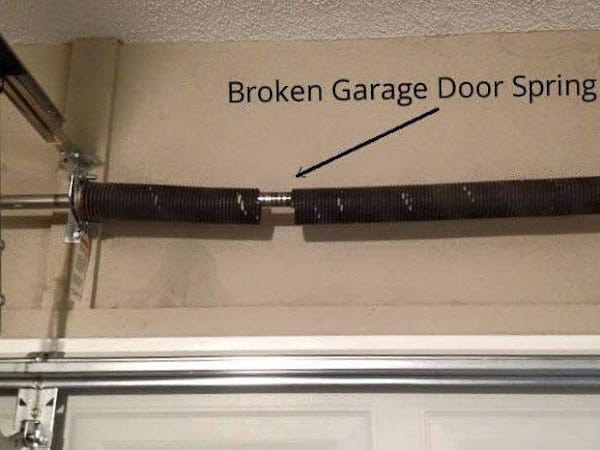
You’re running late for work. Hit the garage door button, grab your coffee, and… nothing. The opener hums, but your door stays put. Or worse—it drops like a rock when you try to open it manually.
Congratulations. Your garage door spring just broke.
At State Line Door & Lift, we get these calls every single week. Homeowners across Kansas City discover their garage door spring has snapped, usually at the worst possible moment. But here’s what most people don’t know: spring failures aren’t random acts of mechanical spite. They happen for specific, predictable reasons.
Understanding why garage door springs break—and how to prevent it—can save you from emergency repair bills and the frustration of being trapped in (or out of) your garage.
Understanding Your Garage Door Spring System
Before we talk about why springs fail, let’s make sure you understand what you’re dealing with.
Most residential garage doors use one of two spring systems:
Torsion springs mount horizontally above your door opening. They twist (or torque) to store and release energy as the door opens and closes. These are the workhorses of the garage door world—they last longer and provide better balance than other types.
Extension springs stretch along the horizontal tracks on either side of your door. They extend and contract to counterbalance the door’s weight. While less expensive initially, they don’t last as long and can be more dangerous when they fail.
Both types do the same job: they counterbalance your door’s weight so your opener motor doesn’t have to work as hard. A properly functioning spring system makes your 200-pound garage door feel like it weighs almost nothing when you lift it manually.
When springs work correctly, your door opens smoothly and stays balanced. When they break? Well, that’s when you call us.
1. Normal Wear and Tear (The Most Common Culprit)
Let’s start with the obvious one: garage door springs wear out. It’s not a matter of if, but when.
Most residential garage door springs are designed for 10,000 to 20,000 cycles. A cycle is one complete opening and closing of your door. If you use your garage door four times daily (pretty typical for most families), that’s about 1,400 cycles per year.
Do the math:
- Standard springs (10,000 cycles): 7-8 years
- High-cycle springs (20,000+ cycles): 14-15 years
But here in Kansas City, weather extremes accelerate wear. Hot summers make metal expand. Cold winters make it contract. That constant expansion and contraction weakens the metal over time until—snap.
How to slow normal wear:
- Keep detailed records of when springs were installed
- Schedule professional inspections annually
- Consider upgrading to high-cycle springs during replacement
- Don’t overuse your door unnecessarily
Warning signs of worn springs:
- The door feels heavier when lifting manually
- Opener struggles or makes strained noises
- The door doesn’t stay open when released at the halfway point
- Visible rust or small cracks in spring coils
2. Poor Maintenance and Lack of Lubrication
Springs need lubrication to function properly. Without it, friction increases dramatically, causing springs to work harder and wear out faster.
We inspect hundreds of garage doors each year, and neglected springs are easy to spot. They’re rusty, squeaky, and show obvious signs of excessive wear. Meanwhile, well-maintained springs can exceed their expected lifespan by years.
Your garage door spring should be lubricated every three months with high-quality spray lubricant. Focus on the spring coils themselves, but don’t overdo it—excess lubricant attracts dirt and debris.
Maintenance mistakes that kill springs early:
- Using WD-40 instead of proper lubricant (WD-40 is a penetrating oil, not a lubricant)
- Applying lubricant to dirty or rusty springs without cleaning first
- Skipping lubrication during winter months when it’s most needed
- Never checking spring condition during routine maintenance
Proper spring lubrication:
- Clean springs with a wire brush to remove rust and debris
- Apply white lithium grease or garage door lubricant to all coils
- Work the door several times to distribute lubricant evenly
- Wipe excess to prevent dirt accumulation
Regular lubrication doesn’t just extend spring life—it makes your entire door system quieter and smoother.
3. Extreme Weather Conditions
Kansas City weather is brutal on garage door springs. We see more spring failures during temperature extremes than any other time.
Cold weather makes metal brittle. When temperatures drop below freezing, springs lose flexibility and become more prone to cracking. That’s why we get so many emergency calls during January and February cold snaps.
Heat isn’t much better. Summer temperatures in the 90s cause metal to expand, changing spring tension and putting extra stress on the coils.
Weather-related spring problems:
- Sudden temperature drops causing brittle metal to crack
- Ice formation adding extra weight to doors
- Thermal expansion altering spring tension
- Humidity promoting rust and corrosion
- Wind damage affecting door balance and spring alignment
Weather protection strategies:
- Insulate your garage to moderate temperature swings
- Keep garage door springs clean and dry
- Schedule maintenance before extreme weather seasons
- Consider upgrading to weather-resistant spring coatings
- Don’t operate your door during ice storms when possible
4. Improper Installation or Wrong Spring Size
Not all garage door springs are created equal. The spring on your garage door must match your door’s weight, height, and track configuration exactly. When springs are incorrectly sized or improperly installed, they fail prematurely.
We see this problem frequently with DIY installations or work done by unqualified contractors. Homeowners buy “universal” springs online or choose springs based on price instead of specifications. The result is springs that are either over-stressed or under-performing from day one.
Common installation errors:
- Using springs rated for lighter doors
- Installing torsion springs with incorrect wind direction
- Mounting springs at the wrong tension settings
- Mixing different spring types or ages
- Failing to balance the door properly after installation
Signs of improperly sized springs:
- The door won’t stay open at any position
- Opener runs constantly or shuts off unexpectedly
- One side of the door lifts faster than the other
- Excessive noise during operation
- Springs showing stress marks or unusual wear patterns
Getting the right spring for your specific door requires measuring the door weight, track length, spring mounting system, and several other factors. This isn’t a job for guesswork.
5. Rust and Corrosion
Rust is a garage door spring’s worst enemy. It weakens the metal, creates friction, and accelerates wear dramatically.
Kansas City’s humidity levels promote rust formation, especially in garages with poor ventilation. We see springs that look like they’re decades old when they’re actually just a few years into their service life.
Where rust attacks springs:
- Areas where moisture collects (bottom coils, especially)
- Contact points where springs rub against mounting hardware
- Scratches or chips in protective coatings
- Areas with poor air circulation
Rust prevention:
- Keep your garage well-ventilated to reduce humidity
- Clean springs regularly to remove moisture and debris
- Apply rust-preventive coatings during maintenance
- Address small rust spots before they spread
- Consider galvanized or powder-coated springs in high-humidity environments
When rust becomes dangerous: If you see heavy rust, deep pitting, or actual holes in spring coils, replace the garage door spring immediately. Rusted springs can break without warning, and the failure is often more violent than normal wear-related breaks.
6. Neglecting Other System Components
Your garage door spring doesn’t work in isolation. When other parts of your door system fail or become misaligned, they put extra stress on springs.
Worn rollers create drag that makes springs work harder. Bent tracks cause binding that increases spring tension. Damaged cables can cause uneven lifting that overloads one spring while underloading another.
System problems that stress springs:
- Worn or damaged rollers are increasing friction
- Bent or misaligned tracks are causing binding
- Frayed or broken lift cables
- Loose or damaged hinges
- Improperly adjusted opener force settings
- Warped or damaged door panels affecting the balance
We call this “cascade failure”—one small problem creates stress that causes bigger problems elsewhere in the system. Springs, being under constant tension, often bear the brunt of these additional stresses.
System-wide maintenance:
- Inspect all door components during spring maintenance
- Replace worn rollers before they damage tracks
- Keep tracks clean and properly aligned
- Adjust opener settings when door balance changes
- Address minor issues before they affect spring performance
Preventing Spring Failure: Your Action Plan
Now that you understand why garage door springs break, here’s how to prevent it:
Monthly checks:
- Listen for unusual noises during door operation
- Test door balance by disconnecting opener and lifting manually
- Look for visible rust, wear, or damage on springs
- Check that door opens and closes smoothly without binding
Quarterly maintenance:
- Lubricate springs and all moving parts
- Clean springs with wire brush to remove debris
- Inspect mounting hardware for loose bolts
- Test opener force settings and safety features
Annual professional service:
- Complete system inspection by qualified technician
- Spring tension adjustment and balance check
- Replacement of worn components before they fail
- Assessment of spring condition and remaining life expectancy
Upgrade considerations:
- High-cycle springs for doors used frequently
- Galvanized springs in high-humidity environments
- Professional installation to ensure proper sizing and adjustment
- System-wide upgrades when multiple components show wear
When to Replace vs. Repair Springs
Here’s the reality: garage door springs aren’t repairable. When a garage door spring is broken, replacement is the only option. But you do have choices about how to approach replacement.
Single spring replacement: Less expensive initially, but the remaining spring is probably close to failure too. You’ll likely face another service call within months.
Both springs at once: More expensive upfront, but ensures balanced operation and prevents the frustration of dealing with a second spring failure shortly after the first.
System upgrade: Replace springs and other worn components together. Often the most cost-effective long-term solution.
At State Line Door & Lift, we always give you honest assessments and options. Sometimes a single spring replacement makes sense. Other times, we’ll recommend addressing multiple components to prevent future problems.
What to Do When Your Spring Breaks
If your garage door spring breaks, here’s what you need to know:
Immediate safety steps:
- Don’t try to open the door manually—it’s extremely heavy without spring assistance
- Don’t attempt to drive out if your car is trapped—the door could fall
- Keep children and pets away from the garage door area
- Don’t try to fix it yourself—springs are under dangerous tension
Emergency garage door spring replacement: We offer same-day service for spring failures because we know how disruptive they can be. Most spring replacements take 1-2 hours, depending on your door type and any complications we discover.
Cost considerations: Spring replacement typically costs $150-350, depending on spring type, door size, and whether you choose single or dual replacement. That’s far less than the cost of a new door or opener motor damaged by operating with broken springs.
Choosing the Right Springs
When it’s time to replace garage door springs, quality matters more than price. Cheap springs might save money initially, but they’ll cost you more in the long run.
Spring quality factors:
- Wire gauge and tensile strength
- Number of coils and overall length
- Protective coatings and finishes
- Expected cycle life
- Manufacturer warranties
We work with commercial-grade springs that exceed residential requirements. They cost a bit more, but they last longer and perform more reliably than bargain alternatives.
The Bottom Line on Spring Maintenance
Garage door springs will break eventually—that’s just physics. But with proper maintenance and attention, you can maximize their lifespan, prevent unexpected failures, and keep your door operating safely.
Most spring problems give you warning signs if you know what to look for. Strange noises, difficulty opening, poor balance—these all signal that your springs need attention before they fail completely.
Regular maintenance isn’t just about preventing breakdowns. It’s about safety, convenience, and protecting your investment in your garage door system.
Ready to schedule your garage door spring inspection or need emergency spring replacement? We serve homeowners throughout the Kansas City area with fast, reliable service.
Call State Line Door & Lift at 816-616-8352. We’ll help you keep your springs working smoothly and safely for years to come.