Your garage door works hard every single day. Open, close. Open, close. Rain or shine, blazing heat or bitter cold—it keeps going. But like any hardworking piece of equipment, it needs a little TLC to stay reliable.
We see this all the time at State Line Door & Lift: homeowners who think garage door maintenance means “wait until it breaks.” That approach will cost you, big time. The good news is that taking care of your garage door doesn’t require an engineering degree or a toolbox full of expensive equipment.
Let’s walk through seven maintenance tips that’ll keep your door running smoothly for years to come. Your wallet will thank you.
1. Listen to Your Door (It’s Trying to Tell You Something)
Start with the simplest diagnostic tool you own: your ears.
A healthy garage door operates quietly with just a gentle hum from the opener motor. But when something’s wrong, you’ll hear it. Grinding sounds usually mean your rollers need lubrication or replacement. Squeaking indicates dry hinges or worn weather stripping. That jarring scraping noise? Your door might be rubbing against the tracks.
Here’s what different sounds typically mean:
Rattling: Loose bolts or hardware need tightening
Grinding: Worn rollers or lack of lubrication
Squeaking: Hinges need oil or are wearing out
Scraping: Misaligned tracks or warped door panels
Clicking: Chain or belt may be loose on the opener
Don’t ignore these warning signs. What starts as a minor annoyance can quickly turn into a major repair bill. We’ve seen homeowners let a squeaky hinge go for months, only to have the entire hinge system fail during a Kansas winter storm.
Pay attention. Your door is communicating with you.
2. Keep Everything Moving Smoothly with Regular Lubrication
Kansas City weather is tough on garage doors. Summer humidity, winter freezes, spring storms—it all takes a toll on metal components. That’s why lubrication isn’t optional; it’s protection.
Every three months, spend ten minutes lubricating your door’s moving parts. Use a high-quality spray lubricant (we recommend white lithium grease or 3-in-1 oil). Avoid heavy grease that attracts dirt and debris.
What needs lubrication:
- Hinges (both pins and pivot points)
- Roller bearings (if you have metal rollers)
- Springs (torsion springs above the door)
- Track curves (where the door transitions from vertical to horizontal)
- Opener chain or belt (follow manufacturer guidelines)
- Lock mechanisms
Pro tip: Wipe away excess lubricant after application. Too much attracts dust and creates gummy buildup that actually makes things work harder.
Don’t lubricate the tracks themselves—that creates a slippery surface that can cause the door to slip or bind. The tracks should stay clean and dry.
3. Test Your Safety Features Monthly
Garage doors are powerful machines. A typical residential door weighs 150-400 pounds and moves under significant spring tension. When safety features fail, people get hurt.
Federal law requires all garage door openers manufactured after 1993 to have two safety features: auto-reverse and photoelectric sensors. Test both every month.
Auto-reverse test: Close your door and immediately pull the emergency release cord. The door should stop and reverse direction within two seconds. If it doesn’t, call a professional immediately. This feature prevents the door from crushing someone who gets caught underneath.
Photo sensor test:
Place a cardboard box in the door’s path and try to close it. The sensors should detect the obstruction and reverse the door. If your door keeps closing, check that the sensors are clean, aligned, and getting power. Misaligned sensors are one of the most common garage door problems we fix.
Both tests take less than two minutes but could save a life. Make it part of your monthly routine—same day you test your smoke detectors.
4. Inspect and Replace Weather Stripping
Weather stripping is your garage’s first line of defense against the elements. But it takes a beating from temperature swings, UV exposure, and general wear and tear.
Walk around your closed door and look for gaps where light sneaks through. Check the rubber seal at the bottom of the door—it should make contact with the floor along the entire width. Look at the seals along the sides and top, too.
Signs you need new weather stripping:
- Cracked, brittle, or missing sections
- Light visible around the door’s perimeter
- Water pooling inside the garage after storms
- Increased dust or debris blowing in
- Higher energy bills (conditioned air escaping through gaps)
Replacing weather stripping is a DIY job for most homeowners. But get the right type for your door—different materials work better in different climates. In Kansas City’s variable weather, we usually recommend EPDM rubber for its durability and temperature resistance.
5. Keep Your Tracks Clean and Aligned
Your door rides on metal tracks, and those tracks need to stay clean and properly aligned. Debris in the tracks can jam the door. Misaligned tracks create binding that wears out rollers and puts extra strain on the opener motor.
Monthly track maintenance:
- Remove obvious debris (leaves, ice, small objects)
- Wipe down tracks with a damp cloth
- Check for dents, bends, or gaps between track sections
- Look for loose mounting brackets
- Watch the door operate—it should move smoothly without binding
Warning signs of track problems:
- Door jerks or hesitates during operation
- Visible gaps between rollers and track
- Door appears crooked when closed
- Unusual noise when opening or closing
Track alignment is a job for professionals. The tracks must be precisely positioned—even small adjustments affect how the door balances and operates. Don’t try to adjust tracks yourself; you could make the problem worse or create safety hazards.
6. Test Your Door’s Balance
An unbalanced door puts extra strain on your opener motor and can cause premature failure of springs, cables, and other components. Testing balance is simple but critical.
How to test door balance:
- Disconnect the opener by pulling the emergency release cord
- Manually lift the door halfway up
- Let go
A properly balanced door should stay in place or move slowly in either direction. If it slams shut or flies open, the springs need professional adjustment.
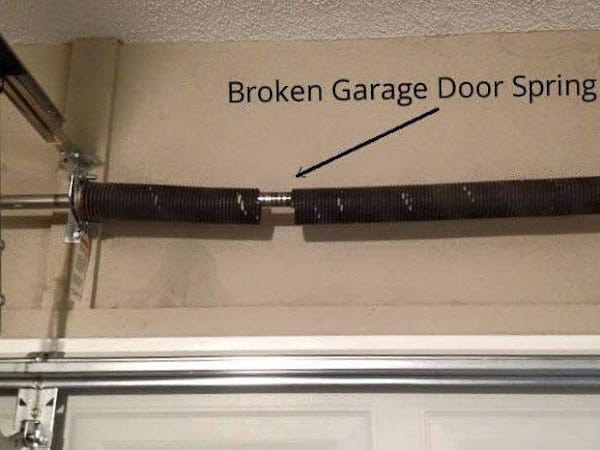
Never try to adjust springs yourself. Garage door springs are under extreme tension—enough to cause serious injury or death if they break unexpectedly. Spring adjustment requires special tools and training. Leave this work to qualified technicians.
We adjust spring tension as part of our regular maintenance visits, but you should test the balance monthly to catch problems early.
7. Schedule Professional Maintenance Annually
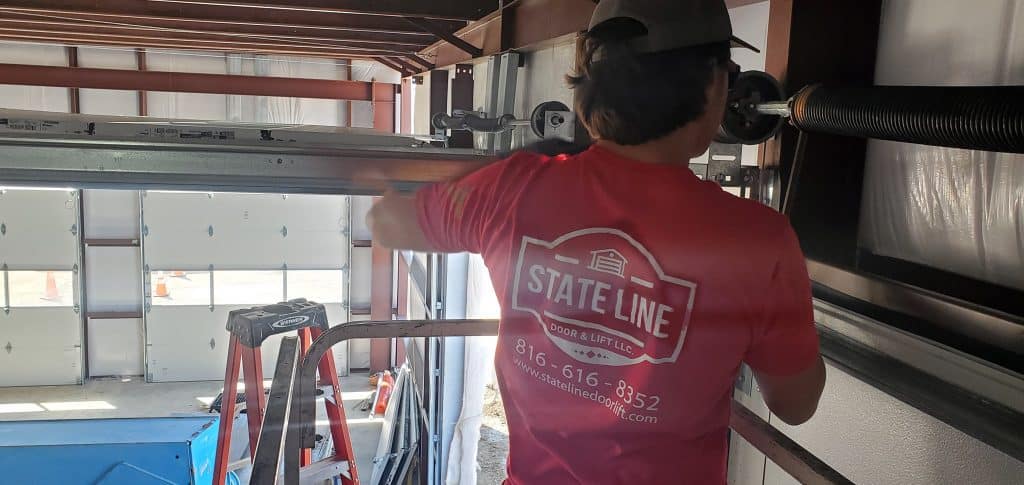
DIY maintenance goes a long way toward keeping your door healthy. But some jobs require professional tools, training, and experience.
During a professional garage door maintenance visit, we:
- Adjust spring tension for proper balance
- Check cable condition and attachment points
- Inspect and adjust opener force settings
- Verify all safety features are working correctly
- Look for structural issues like cracked hinges or bent tracks
- Provide a detailed assessment of your door’s condition
Annual professional maintenance typically costs far less than emergency repairs. We often catch problems during routine service that would have turned into expensive breakdowns within months.
When to call professionals immediately:
- Broken springs or cables
- Door won’t open or close completely
- Opener runs but door doesn’t move
- Door falls quickly when opened manually
- Visible structural damage to tracks or door panels
Understanding Garage Door Maintenance Costs
Smart homeowners ask about garage door maintenance costs upfront. Here’s what you can expect – these are national averages – be sure to contact your local garage door service provider (ahem – STATELINE DOOR & LIFT – for a competitive quote!):
DIY maintenance supplies: $20-40 per year for lubricants and basic supplies
Professional maintenance visit: $80-150 annually
Minor repairs caught during maintenance: $50-200 typically
Major repairs avoided through maintenance: $300-800+ saved
Compare that to common emergency repair costs:
- Garage door opener replacement: $200-500
- Spring replacement: $150-350
- Complete door replacement: $800-2,500+
The math is simple: regular maintenance saves money.
Creating Your Maintenance Schedule
Consistency beats perfection when it comes to garage door maintenance. Create a simple schedule and stick to it:
Monthly:
- Listen for unusual sounds
- Test safety features
- Visual inspection for obvious problems
Quarterly:
- Lubricate all moving parts
- Clean tracks
- Test door balance
- Inspect weather stripping
Annually:
- Professional maintenance visit
- Replace weather stripping if needed
- Deep clean and detailed inspection
Your Next Steps
Regular garage door maintenance isn’t complicated, but it does require attention and consistency. Start with the monthly basics—listening to your door and testing safety features. Add quarterly tasks as they become routine.
Most homeowners in the Kansas City area can handle basic maintenance tasks themselves. But don’t hesitate to call professionals for anything involving springs, major adjustments, or electrical components.
At State Line Door & Lift, we service garage doors throughout Grain Valley, Blue Springs, Independence, and surrounding communities. Our maintenance visits are thorough, affordable, and designed to catch problems before they become emergencies.
Your garage door is one of your home’s hardest-working systems. Give it the care it deserves, and it’ll serve you reliably for decades.
Ready to schedule your maintenance appointment? Call us at 816-616-8352. Let’s keep your door working smoothly, safely, and quietly—just like it should.