Why Garage Door Panels Matter More Than You Think
A garage door does much more than open and close — it defines your home’s appearance, protects your belongings, and contributes to security and energy efficiency. Yet when one or more panels become damaged, most homeowners underestimate how quickly that damage can spread.
Garage door panels are designed to work as part of a larger system. When one section becomes bent, cracked, or misaligned, it affects how the entire door moves and balances. What begins as a cosmetic problem can quickly evolve into functional issues that strain the opener, warp the frame, or cause uneven lifting.
For many homeowners, repairing or replacing a damaged panel can save significant money compared to replacing the entire door. However, identifying when a panel has reached the point of no return requires a careful look at its condition and performance.
At State Line Door & Lift, we’ve seen every type of panel damage — from minor dents to severe warping caused by impact or weather exposure. Knowing when it’s time for garage door panel replacement can prevent costly repairs later and restore both safety and appearance.
The following four warning signs will help you determine whether your garage door panel needs attention and what to do next.
Sign #1: Visible Cracks, Dents, or Warping
The most obvious sign of a problem is physical damage. Dents from vehicles, cracks from impact, or panels warped from temperature changes all signal that your door’s integrity has been compromised. Even small dents can interfere with how sections connect and move along the tracks.
Over time, minor surface damage can turn into deeper structural issues. For example, a cracked steel panel can allow moisture to enter, leading to rust and corrosion. In wood or composite doors, cracks and warping often worsen with changes in humidity or temperature. Once the material begins to split or swell, alignment problems follow.
Why it matters:
When panels lose their uniform shape, the door stops distributing weight evenly. That uneven balance forces the opener and springs to work harder, which accelerates wear on mechanical components. The result is a door that moves roughly, makes more noise, and wears out faster than it should.
If you notice dents that extend beyond the surface or cracks that expose the material underneath, the damage has likely reached the point where a replacement panel is needed. While small dents can sometimes be repaired, deep ones that affect the door’s structure should never be ignored.
For insulated doors, cracks can also compromise the door’s thermal barrier. If insulation becomes exposed or water seeps inside, energy efficiency drops, and mold can form between layers.
The fix:
Replacement is often the best long-term solution for severely dented or cracked panels. A new panel restores not only the door’s appearance but also its strength and alignment. State Line Door & Lift technicians can match new panels precisely to your existing door, ensuring color, texture, and design remain consistent.
Even if only one section is replaced, the result should blend seamlessly with the rest of your garage door, preserving curb appeal and performance alike.
Sign #2: Misalignment and Uneven Movement
Another key warning sign appears when your door stops moving smoothly. Misalignment often begins subtly — one side of the door might lift slightly higher, or the panels may appear uneven when closed. As time goes on, you might notice jerking motion, scraping sounds, or gaps between panels that weren’t there before.
Why it happens:
Misalignment can result from a bent or warped panel that no longer sits properly in the track. When this happens, the rollers and hinges struggle to guide the door evenly. Eventually, the extra pressure transfers to the opener, springs, and cables.
It can also occur when a single panel’s frame bends due to impact. Because each panel is connected by hinges, a distortion in one section throws off the geometry of the entire door. The door then binds or resists movement during operation, putting stress on multiple components.
In many cases, misalignment becomes visible before the problem feels serious. You might notice a small gap near the bottom of the door or a panel that sits slightly forward or backward compared to others. Homeowners sometimes dismiss this as harmless, but it’s often an early sign that replacement will soon be necessary.
The consequences:
Continuing to operate a misaligned door increases friction and strain, which can cause additional damage to the tracks and hardware. The opener may begin to hum or stall as it attempts to lift uneven weight. Over time, what could have been fixed with a simple panel replacement may escalate into a full door or opener replacement.
The fix:
A professional inspection is the best first step. At State Line Door & Lift, our technicians check alignment across every panel, hinge, and roller to determine whether the issue stems from a bent section, worn hardware, or track distortion.
If a single warped panel is causing an imbalance, replacing it typically restores smooth operation immediately. In more advanced cases, we adjust spring tension and realign the tracks to ensure proper movement.
A correctly aligned door moves quietly, seals properly, and reduces wear on every moving part — extending the life of your entire garage system.
Sign #3: Corrosion, Rot, or Material Degradation
Weather exposure is one of the most common causes of garage door panel deterioration. Whether your door is made of steel, wood, or composite, environmental factors eventually take their toll.
Steel Doors:
Even with protective coatings, steel doors can rust over time, especially if scratches or chips expose bare metal. Once rust begins, it spreads quickly. Rust weakens structural integrity and can cause panels to become brittle, making them more susceptible to bending or breaking.
Wood Doors:
Wooden panels bring warmth and classic beauty to a home but require regular upkeep. Without sealing and refinishing, they absorb moisture, leading to rot, warping, and cracking. A small area of water damage can spread unseen beneath the surface, especially near the bottom of the door where moisture collects.
Composite or Vinyl Doors:
While resistant to many environmental factors, composite and vinyl materials can still fade, crack, or become brittle with prolonged sun exposure. Temperature swings cause expansion and contraction, which eventually weakens seams and fasteners.
Why it matters:
Material degradation doesn’t just affect how the door looks — it compromises safety and function. Weak or rotted sections may buckle under pressure, creating an unsafe situation for anyone nearby. Corrosion also leads to stiff hinges, noisy operation, and uneven movement.
What to look for:
• Discoloration or bubbling paint
• Flaking rust or rough texture on metal surfaces
• Soft spots or swelling on wood panels
• Cracks or fading on composite finishes
The fix:
If damage is isolated to one or two panels, targeted replacement is often the most economical choice. However, if corrosion or rot is widespread, a full replacement may be more practical.
Our technicians at State Line Door & Lift assess whether the underlying structure remains solid. If the frame and hardware are sound, new panels can be installed seamlessly, restoring both appearance and durability.
To prevent future issues, we recommend annual maintenance that includes cleaning, protective coating checks, and lubrication of metal components. Prevention is far more affordable than repair, and regular care extends the lifespan of every part of your garage door.
Sign #4: Sagging Panels and Structural Weakness
Over time, panels can begin to sag or flex when the door is in motion. This usually starts with aging materials, weakened joints, or years of repeated use. You might notice the middle of the door bowing slightly when it’s closed or the edges separating where the hinges connect.
Why it happens:
Sagging is most common in large or older doors where weight has gradually caused sections to lose rigidity. In steel doors, this can result from metal fatigue. In wood or composite doors, moisture and gravity combine to distort the panel shape.
The dangers:
A sagging door no longer moves evenly, which increases stress on the opener and springs. In severe cases, the flexing can cause the door to jam or even collapse under its own weight. The moment panels lose structural strength, safety becomes a concern — especially if heavy sections fall unexpectedly.
Sagging can also create small gaps between panels, allowing air, insects, and debris to enter the garage. This not only affects energy efficiency but can also lead to increased dust and moisture accumulation.
When replacement is necessary:
If sagging is limited to a single panel, that section can often be replaced to restore balance. But if multiple panels show the same issue, replacement of the full door may be more cost-effective than individual repairs. Continuing to operate a weakened door risks damage to expensive components, including the opener motor and track system.
The fix:
A new panel returns stability and helps the door maintain proper alignment. During replacement, technicians check the entire frame to ensure that no hinges or brackets have loosened or warped. Once the new panel is installed, recalibration ensures smooth, balanced operation.
At State Line Door & Lift, our team evaluates every part of the door — from the structure to the lift cables — to determine whether partial or full replacement will offer the best long-term value.
Replacing a sagging or weakened panel prevents further deterioration, reduces repair costs, and restores safe, reliable function.
When to Repair vs. Replace
Not every damaged panel requires full replacement. In many cases, surface scratches, minor dents, or small areas of rust can be repaired successfully. The decision comes down to extent, location, and safety.
Repair may be possible when:
• The damage is cosmetic and doesn’t affect the door’s structure
• Only one or two panels are lightly dented
• The rest of the door and hardware are in good condition
Replacement is recommended when:
• Cracks or dents penetrate through the material
• Multiple panels show warping or rust
• The door is misaligned or moves unevenly
• The damage affects insulation or weather sealing
Replacing a panel can also make financial sense. In many cases, replacing one or two sections costs less than frequent repairs over several years.
Our technicians often perform on-site evaluations to help homeowners compare repair and replacement costs side by side. The goal is always transparency — helping you choose the most practical and affordable solution for your situation.
The Risks of Ignoring a Damaged Garage Door Panel
It’s easy to overlook a dented or cracked panel, especially when the door still opens and closes. But minor panel damage almost always spreads or causes other issues over time. The longer it’s left unaddressed, the higher the risk of mechanical failure, alignment problems, and even safety hazards.
1. Added Stress on the Opener and Springs
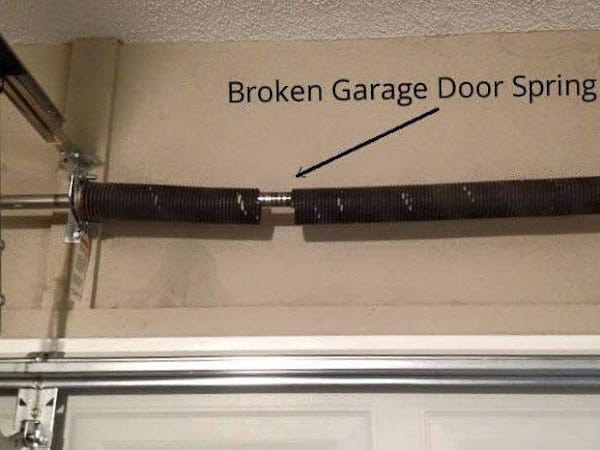
Garage doors are heavy, and each component of the system — springs, rollers, cables, and the opener — is designed to distribute weight evenly. When one panel is damaged or out of shape, that balance is lost. The opener works harder to lift the unbalanced load, which strains the motor and shortens its lifespan. Springs also bear more tension than intended, increasing the chance of breakage.
2. Accelerated Wear and Tear
A bent or cracked panel changes how the door travels along its track. It may scrape, bind, or shift slightly off-center during movement. These small mechanical inconsistencies increase friction, which accelerates wear on hinges, rollers, and the track itself. What starts as one damaged panel can eventually lead to the need for full system repairs.
3. Safety Concerns
A compromised panel weakens the structural integrity of the door. Over time, the damaged section may separate, split, or collapse when under pressure. This creates a risk not only to vehicles and stored items but also to anyone nearby. Panels are heavy, and when they fail unexpectedly, they can cause serious injury or property damage.
4. Reduced Energy Efficiency
In insulated doors, a damaged panel allows air and moisture to seep through, reducing thermal protection. Gaps and cracks compromise the seal, leading to higher energy costs and less consistent indoor temperatures. Even for detached garages, this can make working inside uncomfortable during extreme heat or cold.
5. Declining Appearance and Property Value
Curb appeal matters. A single damaged or faded panel stands out immediately, especially on the front of a home. Potential buyers often view visible wear on a garage door as a sign of broader neglect. Replacing panels promptly helps maintain your home’s appearance and prevents small defects from turning into costly full-door replacements later.
Ignoring panel damage rarely saves money in the long term. In most cases, it increases maintenance costs and risks safety. Prompt attention protects your investment, keeps operation smooth, and preserves the value of your home.
How Damaged Panels Affect the Entire Garage Door System
Every panel in your garage door plays a role in its balance and function. When one fails, it can create a domino effect throughout the entire system.
1. Impact on Balance and Alignment
A bent or misshapen panel shifts the door’s center of gravity. Even a slight distortion can cause the door to tilt, forcing one side to carry more weight. Springs and cables compensate by pulling unevenly, and rollers begin to wear out faster on one side. This misalignment makes the door feel heavier and can eventually cause the opener to stall.
2. Strain on Tracks and Hinges
When a panel doesn’t move smoothly through its section of the track, it creates tension points. Hinges must flex more than designed, and rollers may pop out or grind against the track edge. This constant pressure leads to warping and premature wear of hardware.
3. Increased Noise During Operation
A noisy door is often the first sign of deeper issues. Grinding, squeaking, or rattling sounds come from parts under stress. Many homeowners assume lubrication will fix it, but if panel damage is the cause, noise will persist until the problem is corrected.
4. Stress on the Opener Motor
Openers are calibrated to handle a specific load. When panels drag or move unevenly, the opener compensates by increasing torque. This extra effort causes overheating, gear wear, and motor fatigue. Eventually, the opener may burn out or the drive chain may break.
5. Shortened Lifespan for the Entire System
When stress spreads across multiple components, everything wears out faster. Springs that should last ten years might fail in half that time. Bearings and rollers may seize, leading to jerky movement. Replacing a single damaged panel early prevents this cascade of failures and helps the entire system function as intended.
The cost of one panel replacement is far less than replacing an entire opener, track system, or full door. Addressing damage early protects your investment and ensures reliable operation for years.
Understanding Garage Door Panel Replacement Cost
The cost of garage door panel replacement depends on several factors: the material, design, number of panels affected, and whether the door model is still manufactured. The prices below are national averages, so if you want a competitive local quote, contact a garage door repair company near you (we provide services throughout Kansas City and have over 500 reviews!).
1. Material Costs
• Steel Panels: The most common and affordable, typically costing between $200 and $400 per panel, depending on thickness and insulation.
• Aluminum Panels: Lightweight and rust-resistant, averaging $250 to $450 per panel.
• Wood Panels: Beautiful but more expensive, ranging from $400 to $700 per panel, with higher maintenance needs.
• Composite or Faux Wood Panels: Usually $300 to $600 per panel, combining durability with a realistic wood finish.
2. Labor Costs
Professional installation typically adds $150 to $300 per panel, depending on complexity. Adjustments, track alignment, and painting or finishing may increase labor costs slightly.
3. Number of Panels Replaced
Replacing one panel is straightforward, but if multiple sections are damaged or the design has been discontinued, it may be more cost-effective to replace the entire door. Technicians can evaluate whether replacement panels are available or if upgrading the entire system offers better long-term value.
4. Matching and Custom Finishes
If your door includes decorative windows, custom textures, or specific colors, finding an exact match may require ordering from the original manufacturer. This can extend lead time and slightly raise the price.
5. Age of the Door
Older models may not have readily available replacement panels, making a full-door replacement the more practical option. Newer doors, especially those from major brands, often have interchangeable panel sections.
Average Overall Cost Range:
Homeowners generally spend between $400 and $1,200 for garage door panel replacement, depending on the number of panels and material type. In most cases, this is still significantly less than a full replacement, which can cost between $1,500 and $4,500.
At State Line Door & Lift, we always provide clear, upfront estimates before beginning any work. Our goal is to help you make an informed choice that fits your budget and protects your home.
How Technicians Replace Garage Door Panels
Replacing a panel might look simple, but it requires precision and experience to ensure proper alignment and function. The process varies slightly depending on the door’s design and material, but the general steps include:
1. Assessment and Measurement
A technician begins by identifying the make, model, and size of the door to confirm the correct replacement panel. They inspect the surrounding panels, tracks, and hardware to ensure the issue is isolated and that the structure can support the new section.
2. Securing the Door
For safety, the door is disconnected from the opener and secured in place to prevent sudden movement. Springs and cables are inspected, and tension may be released if needed to avoid injury or accidental lift during replacement.
3. Removing the Damaged Panel
The technician detaches hinges and brackets connecting the damaged panel to its neighbors. The section is carefully lifted out of the track and removed without disturbing other panels.
4. Installing the New Panel
The replacement panel is inserted into position, aligned perfectly with adjacent sections, and secured with new hinges or fasteners. The technician ensures spacing between panels is even to prevent friction during operation.
5. Reconnection and Testing
Once installed, the door is reconnected to the opener. The technician tests manual balance first, confirming that the door remains level and lifts easily. Then, powered operation is tested to verify smooth movement and proper alignment.
6. Finishing Touches
Paint or finish touch-ups may be applied to match color and texture. The technician lubricates moving parts, adjusts spring tension if necessary, and confirms that safety sensors work correctly.
Professional installation ensures that the new panel functions as part of the original system. Even minor alignment errors can lead to premature wear or damage, so this is not a project most homeowners should attempt on their own.
How to Match Replacement Panels Correctly
Matching a new panel to your existing garage door is essential for both appearance and performance. A mismatch in color, texture, or dimensions can create visual imbalance or mechanical strain.
1. Identify the Manufacturer and Model
Most garage doors have a manufacturer label on the inside edge or near the bottom panel. This label lists model numbers and serial information, which technicians use to source exact matches.
2. Match Material and Finish
Different materials reflect light differently, even in similar colors. For example, gloss-coated steel panels will look brighter than matte finishes under sunlight. Professionals ensure that both finish and texture align with your existing door.
3. Measure Precisely
Even small variations in panel height or curve radius can disrupt alignment. Exact measurements of width, height, and panel depth ensure a snug, even fit.
4. Custom Solutions When Exact Matches Are Unavailable
If your door model has been discontinued, manufacturers can often create compatible replacement panels using standard dimensions. In rare cases, refinishing or repainting the entire door may be the best way to achieve a uniform look.
At State Line Door & Lift, our team specializes in matching panels so seamlessly that the repair becomes invisible. We work with leading manufacturers and finishing suppliers to guarantee consistency across every door we service.
Preventive Maintenance: Keeping Panels Strong and Reliable
Regular maintenance helps prevent panel issues before they start. Small steps taken throughout the year extend your door’s lifespan and preserve its appearance.
1. Clean the Panels Regularly
Dirt, salt, and debris gradually corrode finishes and coatings. Wash panels with mild soap and water every few months to prevent buildup. Avoid high-pressure washers that can damage seals or paint.
2. Inspect for Early Signs of Damage
Check for dents, cracks, or rust spots during cleaning. Addressing them early prevents small imperfections from spreading. Touch up scratches on steel doors with rust-resistant paint, and reapply protective sealant to wood panels annually.
3. Lubricate Hinges and Tracks
Friction contributes to bending and stress on panels. Apply a silicone-based lubricant to hinges, rollers, and tracks several times a year to ensure smooth motion.
4. Protect from Moisture and UV Exposure
Weather and sunlight are leading causes of material degradation. For wood doors, seal surfaces before winter and summer seasons. For steel or composite models, inspect weatherstripping to ensure it remains watertight.
5. Schedule Professional Inspections
Even with regular maintenance, some issues aren’t visible to the untrained eye. Annual inspections by qualified technicians catch hidden problems, such as spring imbalance or hinge fatigue, before they cause panel stress.
Maintenance may seem simple, but it’s the difference between a door that lasts 10 years and one that lasts 25. Preventive care saves money, enhances performance, and preserves safety.
Why Professional Garage Door Panel Replacement Makes a Difference
DIY repairs are tempting, but garage door systems contain high-tension springs and heavy components that can be dangerous without the right tools and training. Professional technicians have the experience and equipment to handle replacements safely and accurately.
1. Precision and Alignment
Proper alignment ensures that every panel moves smoothly. Professionals use leveling tools and spring tension gauges to calibrate doors precisely. This guarantees even weight distribution and reduces wear on hardware.
2. Correct Materials and Matching
Technicians have access to manufacturer databases that include model-specific details, finishes, and part numbers. This ensures exact replacements, not close approximations.
3. Safety and Warranty Protection
Most manufacturers require professional installation for warranty coverage. Attempting to replace a panel on your own may void warranties or create safety hazards.
4. Efficiency and Time Savings
A trained technician can complete most panel replacements in a few hours. DIY attempts often take longer and risk mistakes that lead to further costs.
5. Long-Term Peace of Mind
Professional installation ensures the door remains balanced, safe, and reliable. You gain confidence knowing your investment has been handled correctly and backed by service guarantees.
At State Line Door & Lift, our technicians replace panels with the same precision used in full installations. We verify safety systems, lubricate all moving parts, and test operation extensively before completion.
Protect Your Door, Protect Your Home
Your garage door panels play a crucial role in both the safety and appearance of your home. Ignoring damage or delaying repairs allows small issues to turn into costly problems. Whether it’s cracks, warping, corrosion, or sagging, replacing damaged panels restores strength, improves performance, and keeps your system running smoothly.
Understanding when to repair versus replace, how much panel replacement costs, and why professional installation matters gives homeowners the knowledge they need to make confident decisions.
At State Line Door & Lift, we believe in transparent guidance and quality craftsmanship. Our goal is to help you preserve the look, safety, and value of your home with reliable garage door solutions tailored to your needs.
If you’ve noticed any of the warning signs discussed here, don’t wait until your door stops working. Schedule an inspection today, and let our experts recommend the best approach — whether that means a quick repair or a seamless replacement.
Your garage door protects your home every day. A little attention now ensures it continues to do so safely, quietly, and beautifully for years to come.