The Hidden Hero of Your Garage Door System
Every time you open or close your garage door, a powerful component is doing the heavy lifting — literally. That part is the garage door spring, and while it may not look like much, it’s the backbone of the entire system. Without it, the motor can’t raise the door, the cables lose tension, and the whole operation comes to a stop.
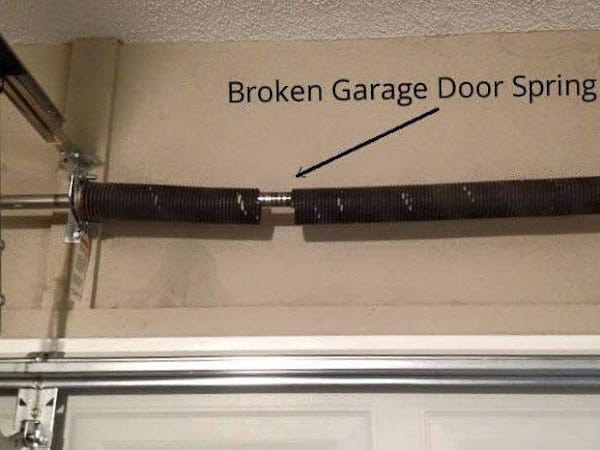
At Stateline Door & Lift, we see firsthand how critical garage door springs are to everyday convenience and safety. Many Kansas City homeowners don’t think about these springs until one breaks, usually with a loud snap or bang that startles everyone in the house. Once that happens, the door becomes nearly impossible to lift, and forcing it can cause damage or injury.
The good news is that spring failure is preventable with the right care and maintenance. Garage door springs wear down over time due to constant tension and use, but small preventive steps can extend their lifespan dramatically. A well-maintained spring can last for years longer than a neglected one.
In this guide, we’ll explore five practical ways to prevent your garage door spring from breaking. Whether you’ve had a spring fail before or you’re looking to protect your system from future breakdowns, these strategies will help keep your door running safely, quietly, and efficiently.
1. Schedule Regular Professional Maintenance
The first and most important way to prevent garage door spring failure is routine maintenance. Springs are high-tension components that require professional attention to stay in top condition. Over time, they stretch, corrode, and lose balance. A professional inspection ensures those issues are caught before they become dangerous.
During a maintenance visit, a trained technician checks spring tension, lubrication, and wear. They look for signs like uneven lifting, rust, frayed cables, and abnormal sounds when the door moves. If caught early, these warning signs can be corrected before the spring snaps.
Most homeowners in Kansas City use their garage doors multiple times a day — sometimes over a thousand cycles per year. Each cycle adds wear to the torsion or extension springs. A standard spring is rated for about 10,000 cycles, meaning that without maintenance, the average homeowner might reach that limit in less than ten years.
By scheduling annual or semi-annual tune-ups, you extend your spring’s lifespan and avoid unexpected breakdowns. A technician can also spot related issues that put extra stress on the springs, such as misaligned tracks, worn rollers, or unbalanced doors. When one part of the system struggles, the rest has to compensate, which accelerates wear.
Think of spring maintenance like getting an oil change for your car. It’s a small, inexpensive task that prevents major repairs later. A well-maintained garage door operates smoothly, quietly, and evenly — all signs that the springs are doing their job correctly.
Stateline Door & Lift offers comprehensive garage door maintenance throughout the Kansas City area. Our inspections include full spring testing, cable checks, balance adjustments, and lubrication. With consistent care, you can avoid emergency repairs and extend the life of every moving part.
Regular maintenance doesn’t just save money — it saves time, stress, and safety concerns. A proactive approach today can prevent a broken spring and an immovable door tomorrow.
2. Lubricate the Springs Properly and Consistently
Friction is the silent enemy of every garage door spring. Over time, metal-on-metal contact and exposure to moisture cause the coils to corrode and grind, leading to stiffness or eventual failure. Proper lubrication dramatically reduces this wear and keeps the spring flexible and balanced.
Homeowners often underestimate how important this simple task is. A dry spring operates under increased strain, and that tension builds with every cycle. Without lubrication, the spring’s coils rub against each other, creating heat and friction that weaken the steel.
Lubricating the spring twice a year — once before winter and once before summer — is usually sufficient. The process is simple, but it must be done correctly.
Before you begin, close the garage door completely and disconnect the opener for safety. Then, use a silicone-based or lithium-based garage door lubricant, not household oils or grease. Products like WD-40 are actually degreasers and can strip away protective coatings rather than provide lasting lubrication.
Spray a thin, even layer along the length of the spring, covering each coil. Open and close the door manually a few times to distribute the lubricant evenly. Wipe away any excess to prevent drips or accumulation.
A properly lubricated spring not only lasts longer but also operates more quietly. You’ll notice a smoother motion and fewer creaks when opening or closing the door. In Kansas City’s variable weather — humid summers, freezing winters — keeping springs lubricated helps protect them from rust and temperature-induced brittleness.
While lubrication is easy to do, it’s essential to know your limits. If you notice cracks, gaps, or stretched coils, don’t attempt to fix or tighten the spring yourself. High-tension components can cause injury if handled incorrectly. Leave tension adjustments and replacements to professionals.
Regular lubrication keeps your springs flexible and functional, allowing them to bear the load evenly and reducing the strain that leads to premature failure. It’s one of the simplest yet most effective forms of preventive maintenance you can perform.
3. Keep the Door Balanced and Aligned
An unbalanced garage door is one of the most common causes of spring breakage. When a door isn’t properly balanced, one spring ends up carrying more weight than the other. Over time, that unequal pressure causes fatigue and can lead to a sudden break.
You can perform a basic balance check safely at home. First, close the door and disconnect the opener by pulling the release cord. Then, lift the door manually halfway and release it. If the door stays in place, the balance is good. If it slams shut or shoots upward, the tension is off — meaning the springs need adjustment.
A door that’s out of balance forces the opener motor to work harder, too. This extra strain wears down both the opener and the springs simultaneously. The result is often a double failure: a broken spring and a burnt-out motor.
Professional garage door repairmen use precision tools to adjust torsion spring tension and restore proper balance. They also check the tracks and rollers to make sure everything moves in sync. Even a small track misalignment can shift the weight unevenly and stress the springs.
If your door seems heavier than usual, moves jerkily, or makes clunking sounds when lifting, it’s a sign that alignment or balance may be off. These are early warnings worth addressing immediately.
Keeping your door balanced is especially important after any major changes — such as installing new panels, windows, or insulation. Added weight changes the door’s load distribution and may require spring recalibration.
A balanced door doesn’t just prevent spring breakage — it protects the entire garage door system. When each component supports the other properly, your door opens smoothly, safely, and consistently for years to come.
4. Replace Springs in Pairs and Use Quality Parts
When one garage door spring breaks, it’s tempting to replace only the damaged one. However, springs work in tandem, and both have experienced the same number of cycles. If one fails, the other isn’t far behind. Replacing them in pairs ensures even performance, balanced tension, and reduced strain on the opener.
Springs are manufactured with a specific cycle rating — the number of open-and-close movements they can perform before metal fatigue sets in. When one spring has reached that limit, its partner is nearly there, too. Installing a new spring beside an old one creates uneven tension, which can cause the new spring to overwork and fail prematurely.
Using high-quality replacement parts is equally important. Not all springs are created equal. Some cheaper options use thinner steel or fewer coils, which may cost less upfront but wear out faster.
At Stateline Door & Lift, we install premium-grade torsion and extension springs designed for Kansas City’s climate and frequent daily use. Our springs are corrosion-resistant, precisely calibrated, and rated for extended life cycles.
Another overlooked factor is proper sizing. Springs must be matched to your door’s exact weight and height. Using the wrong spring size can cause serious operational problems — from uneven lifting to complete mechanical failure.
Professional technicians use precise measurements and weight tests to determine the correct spring specifications. This ensures consistent balance and smooth operation.
When it’s time for replacement, consider upgrading to high-cycle springs. These models are designed to last up to three times longer than standard ones, making them a worthwhile investment for busy households.
By replacing both springs at once and choosing quality materials, you create a balanced, dependable system that reduces stress on the opener, cables, and tracks. It’s a proactive step that protects your entire garage door assembly and helps prevent future breakdowns.
5. Protect Springs from Corrosion and Temperature Damage
Kansas City’s weather can be tough on metal parts. Between humid summers, freezing winters, and constant temperature swings, your garage door springs are exposed to conditions that promote rust and brittleness. Corrosion weakens the steel and causes the coils to bind, increasing the risk of breakage.
The first line of defense is cleanliness. Dust, dirt, and grime collect on springs and trap moisture. Regularly wiping down the coils with a dry or lightly oiled cloth keeps the surface clean and protected.
If your garage isn’t climate-controlled, consider insulating the door and sealing drafts. This helps regulate temperature and humidity, both of which affect metal fatigue. Condensation can settle on cold springs, leading to micro-rust that spreads over time.
Applying a corrosion-resistant coating or spray lubricant designed for metal surfaces adds another layer of protection. These products repel moisture and prevent oxidation, especially during Kansas City’s humid months.
Another simple but often overlooked step is ensuring proper drainage and ventilation. If water pools near the bottom of your garage door, it can increase humidity and accelerate corrosion. Keeping the area dry and well-ventilated extends not only the life of your springs but the entire door assembly.
During winter, avoid using de-icing salts near your garage entrance. Salt residue can accelerate rust on the lower parts of the springs and cables. If exposure occurs, rinse the area periodically with warm water and dry it thoroughly.
Preventing corrosion is an ongoing task, but it’s one of the easiest ways to preserve spring integrity. With consistent care, your springs will stay flexible and strong, ensuring reliable operation throughout every Kansas City season.
Stronger Springs, Safer Operation
A broken garage door spring can stop your routine in an instant. But with consistent care, maintenance, and a few simple habits, you can prevent that inconvenience — and the costly repairs that come with it.
By scheduling professional garage door tune-ups, keeping springs lubricated, ensuring balance, replacing parts in pairs, and protecting against rust, you’re not just maintaining your garage door — you’re protecting your home’s safety and functionality.
At Stateline Door & Lift, we specialize in spring repair and replacement for homeowners throughout Kansas City, KS and MO. Our technicians use precision-calibrated tools and high-quality components to ensure every system we service operates smoothly and safely.
If you’ve noticed uneven lifting, squeaking, or a heavy garage door, don’t wait for the spring to break — let our experts inspect it before it fails. With the right care, your garage door will keep running quietly, reliably, and securely for years to come.