When the Heart of Your Garage Door Stops
The garage door opener is the unsung hero of everyday convenience. A simple press of a button lifts hundreds of pounds with precision. When it stops working, frustration sets in fast. You may hear the motor hum without movement, notice unresponsive remotes, or find your door stuck halfway open.
At Stateline Door & Lift, we get daily calls from Kansas City homeowners dealing with opener problems. Sometimes the fix is simple; other times, it’s a signal that the system is reaching the end of its life. The key is knowing what’s causing the failure before more damage occurs.
Your opener is a combination of mechanics, electronics, and safety systems. One small malfunction can affect them all. In this guide, we’ll break down four of the most common reasons garage door openers stop working — and what you can do about each one.
1. Power Supply and Electrical Issues
A surprising number of garage door opener problems start with something basic: power. Before assuming the motor is broken, always check the electrical connection.
First, make sure the opener is plugged in. Vibration from years of use can loosen cords or disconnect plugs. If it’s properly connected but unresponsive, inspect the outlet by plugging in another device. No power there? The problem may lie in a tripped breaker or a blown fuse.
Circuit breakers trip easily when openers share a line with high-draw appliances such as freezers or power tools. Resetting the breaker often restores operation. If the breaker keeps tripping, however, it’s a sign that the opener motor is overloading the circuit — a potential warning of electrical wear.
Power surges are another common culprit, especially during Kansas City thunderstorms. A sudden voltage spike can burn out the opener’s circuit board. The motor may hum or light up but fail to respond to commands. Installing a surge protector prevents this kind of damage, saving costly repairs later.
If your opener’s light works but the door won’t move, check the logic board — the small computer that processes signals from your remote and wall switch. A damaged board may still power the light but can’t communicate with the motor. Replacing the logic board usually restores full function.
Sometimes the issue isn’t inside the opener but in the wiring that connects wall controls or sensors. Rodents, humidity, or age can deteriorate insulation and create weak signals. Professionals use voltage testers to locate and replace bad wiring safely.
A few quick checks you can perform:
- Confirm the opener is plugged in and the outlet has power.
- Inspect the power cord for frays or damage.
- Reset the circuit breaker or replace a blown fuse.
- Use a surge protector to prevent future failures.
Power-related issues are the foundation of many opener malfunctions. Start here first before assuming mechanical failure — it’s the simplest and least expensive fix.
2. Remote or Signal Problems
When your garage door doesn’t respond to your remote, frustration sets in instantly. Yet in most cases, the solution is straightforward.
Start with the obvious: replace the batteries in your remote. Even if the LED indicator still lights, voltage may be too weak to transmit a reliable signal. Use the exact battery type recommended by the manufacturer and insert it correctly.
Next, check for interference. Electronic devices like LED bulbs, Wi-Fi routers, or even vehicle key fobs can block radio frequencies. If your remote works from close range but fails from the driveway, this is a likely cause.
Also, verify that the opener’s antenna — the wire hanging from the motor unit — is intact and pointing downward. A bent or dirty antenna can dramatically reduce signal strength. Wipe it clean and straighten it gently.
If none of these solve the problem, the remote may have lost its programming. Power outages or system resets can erase stored codes. Re-pair the remote using the “Learn” button on your opener: press it once, then press and hold your remote’s main button until the opener light blinks. This re-establishes communication.
Still no luck? Test your wall-mounted switch. If it operates the door, you’ve confirmed the motor works fine — meaning the issue lies strictly with the remote signal or receiver.
In older systems, static code remotes can also become obsolete. Newer openers use rolling-code encryption for security. If your opener or remote predates this technology, it may be time for an upgrade.
When a remote fails, it’s rarely a full system breakdown. Often, it’s just communication that needs to be restored — a task we handle quickly and affordably.
3. Sensor and Safety System Malfunctions
Modern garage doors are equipped with photo-eye safety sensors — two small devices placed near the floor on either side of the opening. They shoot an invisible beam across the door’s path. If that beam is interrupted, the door automatically reverses to prevent injury or damage.
When these sensors are blocked or misaligned, the opener stops working correctly. The door may refuse to close or reverse immediately after starting to descend.
Here’s how to check:
- Look for flashing lights on the sensors. Most units flash when alignment is off.
- Clean the lenses gently with a soft cloth to remove dust or cobwebs.
- Make sure both sensors are facing each other directly and at the same height. Even a slight angle can break the beam.
- Verify that the wiring leading to each sensor is intact and not frayed.
If the sensors appear fine but the door still won’t close, inspect for sunlight interference. Direct sunlight can trick the sensors into thinking something is in the way. Shielding the units or adjusting their angle often solves the problem.
Faulty sensors also strain the opener’s logic board, as it continually tries to process conflicting safety signals. Over time, that can lead to motor burnout or electrical failure.
Another related component is the limit switch, which tells the opener how far the door should travel before stopping. If this switch slips out of calibration, the door may refuse to close completely or bounce back halfway. Adjusting the limit screws on the opener can correct this — but only if done carefully.
At Stateline Door & Lift, we realign and test safety systems during every service visit. Our technicians use laser tools to ensure perfect sensor alignment and confirm that all failsafe features function correctly.
Properly working sensors aren’t just about compliance — they’re about safety. A door that won’t close could compromise your home’s security; one that doesn’t stop when it should could cause damage or injury. Routine inspection keeps both issues off your list.
4. Worn or Damaged Mechanical Components
Even with perfect power and communication, your opener can fail if its mechanical components wear out. After years of lifting a heavy door, gears, drive belts, and chains naturally degrade.
The most common symptom is grinding or rattling during operation. Chain-drive systems often loosen with time, creating extra noise and stress on the motor. Belt-drives can stretch or crack. When that happens, the opener struggles to pull the door evenly, eventually triggering automatic shutoff.
Another key component is the gear and sprocket assembly inside the motor housing. This part converts the motor’s rotation into motion that lifts the door. Plastic gears are especially prone to stripping over time, leaving the motor running but the door motionless.
If your opener runs but the door doesn’t move, this assembly is a likely culprit. Replacing it can restore full operation without replacing the entire motor.
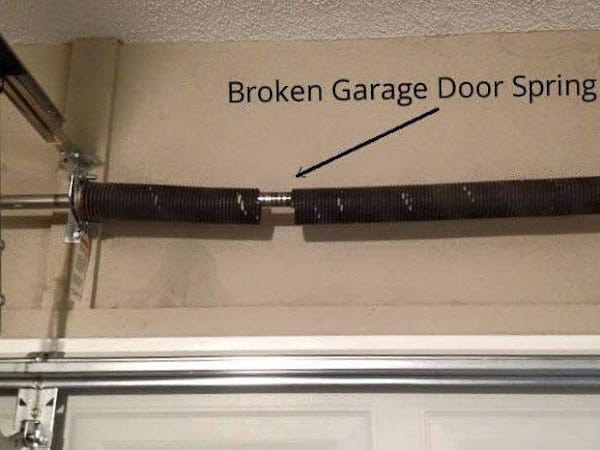
Don’t overlook the garage door springs and balance, either. A heavy or unbalanced door puts additional load on the opener motor. When springs weaken or break, the motor must lift the entire weight of the door, causing overheating and premature failure.
Routine lubrication of chains, rails, and hinges reduces friction and helps detect wear early. Listen for grinding, jerking, or squealing — all signals that a component needs attention.
Finally, consider the age of your opener. Most systems last about 10–15 years. Beyond that, efficiency drops and replacement parts become harder to find. If your opener frequently stalls or shakes, replacement may be the most cost-effective option.
Stateline Door & Lift installs modern openers equipped with quiet DC motors, soft-start technology, and advanced safety sensors. These units use fewer moving parts, reducing maintenance and extending lifespan.
When mechanical wear is the issue, quick diagnosis is key. Continuing to operate a struggling opener risks damaging not just the motor, but the entire door assembly. Our team can evaluate whether repair or replacement is the smarter long-term investment.
Get Back to Smooth, Reliable Operation
A garage door opener that won’t work is more than an inconvenience — it’s a disruption to your daily routine. But with the right diagnosis, most problems can be solved quickly.
Power interruptions, remote failures, sensor issues, and worn parts account for nearly every opener malfunction we see. Addressing these early prevents bigger breakdowns and keeps your system safe and reliable.
At Stateline Door & Lift, we provide fast, expert service across Kansas City, KS and MO. From emergency repairs to complete opener replacement, our technicians restore performance, safety, and peace of mind.
If your opener hums but doesn’t lift, your remote fails, or your door stops halfway, don’t wait for it to worsen. Call Stateline Door & Lift today. We’ll find the cause, fix it right, and get your garage working smoothly again.