Introduction: Why Garage Doors Go Off Track and How to Handle It
A garage door that’s come off its track can stop your day cold. You press the remote, expecting a smooth lift, but instead, you hear grinding metal or see the door tilt to one side. This kind of problem is more than inconvenient—it can become dangerous if not handled carefully. The garage door system is heavy and finely balanced, and even a small misalignment can cause strain on the opener, rollers, and springs. When left unresolved, an off-track door can quickly turn into a full mechanical failure.
At Stateline Door & Lift, we know how frustrating it can be when your garage door suddenly won’t budge or looks like it’s hanging crooked. Homeowners in the Kansas City area rely on their garage doors every day, often more than their front doors. The good news is that most off-track issues can be fixed safely when identified early. Whether the cause is a loose bolt, a bent track, or a worn roller, understanding the right steps makes all the difference in restoring both function and safety.
Every off-track issue tells a story. Sometimes, a small obstruction like a pebble or piece of debris throws the rollers off alignment. Other times, the problem points back to the tension in the springs or a misaligned sensor. A homeowner who takes the time to inspect, clean, and maintain the tracks will often prevent more serious damage later. In this guide, we’ll walk you through three simple yet crucial ways to fix a garage door that’s gone off track, plus a few expert tips for spotting problems before they escalate.
Before starting, safety comes first. Disconnect the automatic opener and ensure the door is completely still before attempting any inspection or repair. Never try to force a jammed or tilted door to move, as it could worsen the damage or cause the door to fall out of alignment completely. If at any point the repair feels beyond your comfort level, the safest move is to call a professional who can make the necessary adjustments quickly and correctly.
Step 1: Inspect and Realign the Tracks Safely
When a garage door goes off track, the metal rails on either side of the opening are usually the first place to look. These tracks are designed to guide the rollers smoothly as the door opens and closes. Over time, vibrations, temperature changes, and everyday use can loosen the brackets that secure them. Even a small shift in alignment can make the rollers slip out, causing the door to lean or stop midway.
Start by visually inspecting both sides of the track. Look for areas that appear bent, misaligned, or separated from the wall. A common sign of trouble is a small gap between the track and the frame, especially near the middle or lower portion. Run your hand along the inside edge to feel for rough spots or dents that could be causing friction. If you notice that the door is sitting unevenly or rubbing against the track, it’s likely that one side has shifted out of place.
Before making any adjustments, disconnect the power to the garage door opener. This prevents accidental activation while you’re working near moving parts. Next, use a level to check the alignment of the tracks. Both sides should be perfectly vertical, and the curves at the top should mirror each other. If one track is leaning slightly inward or outward, loosen the mounting bolts with a wrench. Gently tap the track back into the correct position using a rubber mallet. Once it’s realigned, tighten the bolts securely without overtightening, which could warp the metal.
Sometimes, the problem isn’t with the alignment but with buildup inside the track. Dust, grease, or hardened debris can block the rollers and push them off course. A clean track is a functional track. Wipe it down with a damp cloth and a mild cleaner, then dry it completely before testing the door. Avoid using heavy lubricants on the track itself; these can attract dirt and make the issue worse over time.
If the rollers have popped out, lift the door gently until it reaches a stable position, and slide the rollers back into place. This should be done with care, as the door’s weight can cause it to shift suddenly. Once reinstalled, move the door manually a few times to confirm that it glides smoothly. Reconnect the opener only after confirming that the movement feels balanced and resistance-free.
After re-leveling the tracks, take a moment to observe the door’s overall motion. If the door still appears tilted, there could be an underlying issue with the spring tension or cables. These components work under extreme force and should not be handled without the proper tools or experience. In such cases, it’s best to contact a professional technician who can safely rebalance the system.
Realignment might seem straightforward, but precision matters. An off-track door repaired improperly can quickly go out of alignment again, leading to repeated wear on rollers and hinges. That’s why consistent inspection and timely adjustment are key steps in keeping your garage door running smoothly and safely for years to come.
Step 2: Tighten and Replace Damaged Hardware
Even the best garage doors depend on small components doing big jobs. Bolts, hinges, brackets, and fasteners hold the system together and absorb vibration every time the door moves. Over months of use, those parts can loosen, rust, or even crack. When that happens, the door can begin to wobble, jerk, or pull itself off track. Regularly tightening and replacing worn hardware is one of the simplest yet most effective ways to prevent these issues from returning.
Begin by inspecting every visible bolt and screw on the track system. Pay close attention to where the tracks connect to the garage wall and where the hinges attach to the panels. These points experience constant stress as the door moves. If any fasteners appear rusted or stripped, replace them immediately. A single weak bolt can cause the entire system to shift under pressure.
Before tightening anything, gently move the door manually to observe where it’s making unusual sounds or movements. Grinding noises, creaks, or scraping often point directly to a loose hinge or bracket. Tighten each connection evenly, avoiding the temptation to over-tighten. Over-torquing can warp the metal and cause more friction. If you encounter a bolt that won’t hold tension, it may be due to stripped threads—replace it rather than trying to force it tight.
Once the bolts are secure, inspect the hinges connecting the door panels. These hinges are responsible for keeping each section aligned as the door bends and straightens along the track. A bent hinge can push the rollers slightly out of position, leading to uneven travel. Replace any hinge that looks cracked, bent, or rusted through. It’s better to replace a single part now than face an expensive full-panel replacement later.
This is also a good time to check the brackets that hold the rollers. These brackets often come loose with repeated use, especially in climates like Kansas City, where temperature swings can cause metal to expand and contract. If you notice a bracket separating from the door, secure it firmly with a fresh fastener of the same size and grade. Always make sure the rollers are seated properly within the bracket before tightening.
A simple maintenance habit can extend the life of your door significantly. Keep a small socket wrench set and screwdriver on hand, and schedule a quarterly check of all visible hardware. Doing this just four times a year can prevent many off-track incidents before they happen. Homeowners often overlook this step until the door starts to drag, but proactive tightening keeps the entire system balanced.
After tightening and replacing hardware, observe the movement of the door again. A properly maintained door will move quietly and evenly. If you still notice jerking or sticking, the issue may be deeper in the track or with the springs. In that case, it’s best to schedule a professional inspection. At Stateline Door & Lift, our technicians use precision tools to measure track spacing and spring tension to make sure every component is performing within safe limits.
When hardware is maintained regularly, your garage door not only runs better—it lasts longer. The smoother the movement, the less strain placed on the opener, cables, and rollers. Over time, that means fewer repairs and lower costs, which is why tightening small parts today protects your larger investment tomorrow.
Step 3: Check the Rollers and Lubrication
The rollers are the true workhorses of any garage door system. They guide the panels up and down the track, bearing the full weight of the door as it moves. When rollers wear down or lose lubrication, friction builds up and the door begins to strain. This added stress can cause the rollers to jump the track, creating that uneven, crooked appearance that so many homeowners dread. Inspecting and maintaining the rollers regularly helps keep the system stable and efficient.
Start with a visual inspection. Stand inside the garage with the door closed and look at each roller along the tracks. Check for chips, cracks, or wobbling. Rollers made of nylon tend to wear more quietly than metal ones, but both can degrade over time. If you see one roller sitting at a different angle or notice dark residue on the track, that’s a sign the bearings are failing.
Once identified, replacement is straightforward but must be done safely. Lift the door manually until the damaged roller is near the curved portion of the track. Use a pair of locking pliers to hold the door in place and prevent movement. Then gently pry open the lip of the track near the roller using a flathead screwdriver. Slide the old roller out and insert a new one in its place, ensuring it’s seated properly. Close the track back into position using a mallet or firm hand pressure. Repeat this for any rollers showing visible damage or excessive wear.
After checking the rollers, attention should turn to lubrication. Smooth operation depends on clean, properly lubricated components. Use a silicone-based garage door lubricant on the rollers, hinges, and springs. Avoid household oils or grease products—they attract dirt and can gum up the system. Apply a light coat and move the door up and down several times to distribute it evenly.
A simple bullet list can help you keep track of what to lubricate regularly:
- Rollers and roller stems
- Hinges between door panels
- Torsion or extension springs
- Bearings and pulleys
- The top edge of the door where it meets the opener arm
Before using any lubricant, clean off old residue or buildup with a dry cloth. This ensures the new application adheres correctly and prevents debris from sticking. Once complete, test the door several times to confirm that the motion feels smooth and silent. Regular lubrication also protects against corrosion caused by Kansas City’s humidity and seasonal temperature swings.
Properly maintained rollers make a huge difference in daily operation. They reduce strain on the motor, prevent uneven wear, and extend the lifespan of the track system. More importantly, they keep the door aligned and balanced. Homeowners often notice that their garage door suddenly becomes quieter after a simple lubrication session—a sign that everything is functioning in harmony again.
Even with good maintenance, rollers eventually need to be replaced. On average, nylon rollers last about five to seven years, while steel rollers can last longer with consistent care. Keeping a maintenance schedule ensures you replace them before they cause bigger issues. If your door has metal rollers that squeak constantly even after lubrication, consider upgrading to nylon for smoother operation and less vibration.
When to Call a Professional
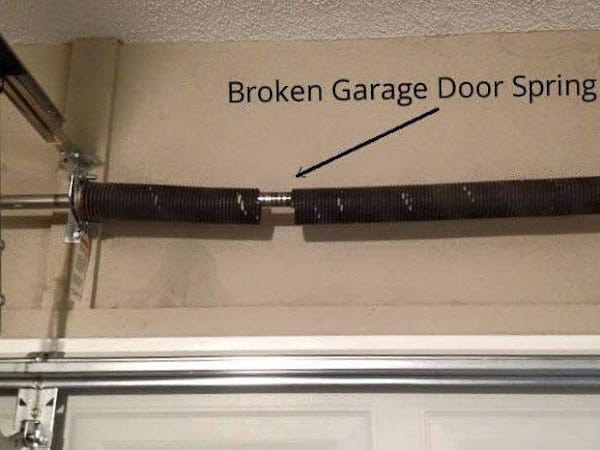
Some off-track situations are straightforward to fix with patience and the right tools. However, when the door refuses to move, hangs unevenly, or the cables appear tangled, it’s time to stop and call a professional garage door repair company. Garage doors weigh hundreds of pounds, and the torsion springs carry enough tension to cause serious injury if handled incorrectly. Professionals have specialized tools to reset, balance, and secure these systems safely.
A garage door inspection often reveals issues that homeowners can’t see. For example, a bent track might look minor but could signal underlying structural stress. Springs or cables may be stretched unevenly, causing one side of the door to lift faster than the other. When our team at Stateline Door & Lift inspects an off-track door, we look beyond the immediate issue. We check for hidden wear on the bearings, test the motor alignment, and ensure that the safety sensors are calibrated correctly. These details protect both the door and the opener from premature failure.
Calling in a garage door repairman also saves time. What might take a homeowner an entire weekend can often be resolved by a technician in under an hour. Professionals also carry high-grade replacement parts that match the original manufacturer’s specifications. This ensures your door operates as smoothly as it did the day it was installed. In Kansas City’s changing climate—where humidity, heat, and freezing temperatures all play a role—having a correctly adjusted door keeps the system running reliably throughout the year.
Another reason to call a professional is to maintain your warranty. Many garage door manufacturers require that repairs and adjustments be performed by certified technicians. Attempting to fix the springs or cables on your own can void that coverage, leaving you responsible for future replacement costs. By choosing an authorized repair service, you not only fix the problem but also protect the investment you’ve already made.
A trusted professional doesn’t just repair; they educate. They’ll explain what caused the issue, show you how to maintain it, and recommend small changes that make a big difference over time. At Stateline Door & Lift, we take pride in helping Kansas City homeowners feel confident about their garage door systems. From emergency off-track repairs to preventive maintenance plans, our goal is to keep your door operating safely every day of the year.
Keeping Your Garage Door on Track for the Long Run
A garage door that slips off track can disrupt more than your daily routine—it can impact safety, convenience, and even your home’s security. Fortunately, most of these issues start small and can be corrected early with proper inspection, tightening, and care. The three steps we’ve covered—realigning the tracks, tightening hardware, and maintaining rollers—go a long way toward preventing major damage and costly repairs down the road.
Consistent maintenance is the key to a reliable system. Make it a habit to inspect your door every few months, checking for loose bolts, worn rollers, and signs of misalignment. Keep the tracks clean, apply the right lubricant, and pay attention to unusual noises or slow operation. These small observations often reveal bigger problems before they happen.
For Kansas City homeowners who want peace of mind, partnering with a trusted local service provider makes all the difference. Stateline Door & Lift has built its reputation on fast, reliable, and safety-focused garage door solutions. We’re here 24/7 to respond when your door won’t close, your opener stalls, or your track comes loose. Every repair we complete is backed by experience, precision, and a commitment to keeping your home secure.
A smooth-running garage door isn’t just convenient—it’s a reflection of a home that’s cared for. When every part works together, from the tracks to the rollers to the opener, your door becomes something you never have to think twice about. That’s the level of reliability Stateline Door & Lift aims to deliver to every homeowner in Kansas City.
If your garage door has come off track or feels unstable, don’t wait for the problem to worsen. Call Stateline Door & Lift today for prompt, professional repair and enjoy a door that operates safely and smoothly—every single day.