Why Garage Door Noise Matters
A noisy garage door often feels like one of those household quirks you learn to live with. It starts with a soft rattle that’s easy to ignore, then grows into a deep rumble or metallic clank that vibrates through the walls. Over time, it becomes background noise—a reminder that something is working a little harder than it should. But in most cases, garage door noise isn’t just a harmless nuisance. It’s a sign of friction, imbalance, or wear inside a system that handles hundreds of pounds of weight several times a day.
A modern garage door is a carefully balanced machine. Springs offset the door’s weight, rollers guide it along the tracks, hinges allow panels to bend, and the opener motor coordinates every movement. Each component must work together in precise alignment to move smoothly. When one piece begins to fail, the imbalance creates sound—clicking, squealing, grinding, or rattling. The type of noise can often tell you what’s wrong long before the system stops working entirely.
Ignoring that sound may seem harmless, but the consequences build slowly. The increased vibration from friction loosens bolts and brackets. Misaligned rollers scrape the track walls. Dry springs strain against their tension points, causing metal fatigue. Left unresolved, what starts as an audible annoyance can become a structural issue that shortens the lifespan of the door and its opener.
The average garage door opens and closes about a thousand times per year. Each cycle adds up, especially in homes where the garage serves as the main entrance. Over the years, every creak, bang, and squeal becomes a sign of stress. And because many parts—particularly springs and cables—operate under significant tension, even a small problem can turn dangerous if neglected.
Noise is also one of the earliest warning signs of safety issues. A spring that snaps under load can cause serious injury or property damage. A roller that jumps the track can jam the door mid-motion. An opener motor struggling to lift a noisy door might burn out or trip a breaker. These problems rarely appear suddenly; they build gradually and speak through sound first.
Addressing garage door noise is about more than comfort. It’s about preserving the mechanical integrity of your door, reducing energy waste, and protecting your investment. A quiet garage door isn’t just a matter of convenience—it’s proof that every part of the system is working efficiently and safely.
For homeowners who want to keep their doors reliable for decades, learning to interpret those noises is invaluable. The following sections break down the three most common reasons garage doors make noise, what each sound means, and how to restore peace and performance before bigger issues develop.
Reason #1: Worn or Poorly Lubricated Components
Friction is one of the simplest—and most damaging—forces at work in any mechanical system. In a garage door, it manifests as squeaks, screeches, and grinding sounds when parts that should glide begin to rub. Over time, every movement without proper lubrication accelerates wear. What starts as a faint squeal one morning can evolve into a loud metal-on-metal groan by the end of the season.
Your garage door relies on many moving parts: rollers, hinges, pulleys, bearings, torsion springs, extension springs, and the cables that guide them. Each performs a unique function, but all depend on smooth, low-resistance contact. When that lubrication breaks down—or when dust, moisture, or old grease builds up—movement becomes rough and noisy.
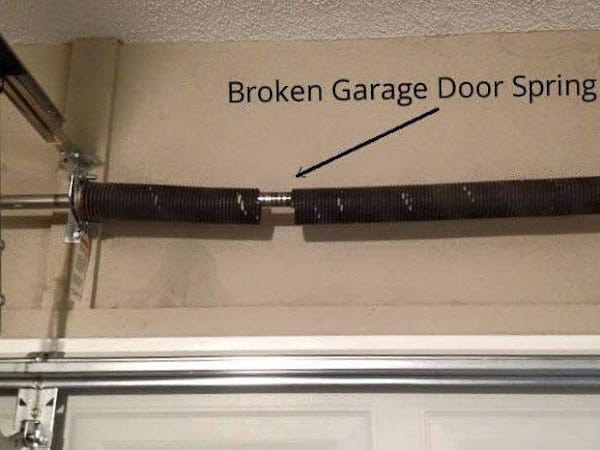
Springs are a common source of squeaks. Torsion springs twist to balance the door’s weight, while extension springs stretch and contract. Both can dry out over time, creating a high-pitched squeal that resonates as the coils rub together. Hinges produce a duller clank or pop, especially when the door transitions between panels during opening and closing. If a hinge is cracked or loose, the noise becomes sharper and more erratic.
Rollers are another frequent offender. Older doors often use metal rollers that wear unevenly or lose their bearings after years of use. You can recognize roller noise by its rhythm—it tends to repeat with each turn of the roller and intensifies as speed increases. Replacing worn metal rollers with nylon ones significantly reduces sound because nylon doesn’t create the same resonance as steel. It also resists corrosion and requires less lubrication.
Lubrication is the first and easiest step in solving friction noise. A silicone- or lithium-based spray is best because it penetrates moving joints without attracting dust. Applying a small amount to each hinge, roller stem, and spring coil every few months keeps everything moving quietly. Wipe away any buildup before applying new lubricant; this prevents dirt from sticking and forming abrasive paste that can actually make the sound worse.
The wrong lubricant can cause problems of its own. Thick grease or household oil collects dust, hardens in cold temperatures, and gums up the tracks. That buildup forces the rollers to push through residue with every movement, increasing resistance. A clean, dry track and a thin layer of the right lubricant on the moving parts are the best combination for silence and longevity.
If you’ve lubricated all visible parts and the noise persists, wear is likely advanced. Rollers with flattened edges or exposed bearings need replacement. Hinges that wobble under stress must be replaced before they fail. Springs showing rust, separation, or uneven coils require professional service. Attempting to adjust or remove them yourself is extremely dangerous because they store enough tension to cause serious harm.
Preventive lubrication also helps identify early issues. As you apply spray to each part, observe how it moves. Does a hinge shift out of line? Does a roller stick instead of spinning freely? These clues reveal developing mechanical issues long before they turn into failures. Most homeowners who include lubrication in their seasonal maintenance rarely experience sudden breakdowns—and their doors stay quieter for the life of the system.
Ultimately, friction-related noise is the garage door’s way of asking for attention. With a few minutes of routine care, you can restore silent motion, prevent expensive damage, and keep the door functioning as smoothly as the day it was installed.
Reason #2: Misalignment and Track Problems
When a garage door is properly aligned, it should move up and down effortlessly, guided by rollers that stay centered in their tracks. When alignment shifts even slightly, the entire system compensates—and the first symptom you’ll hear is noise. A misaligned or dirty track transforms a smooth glide into a scraping, grinding, or thumping sound that worsens with each use.
Track problems often begin subtly. You might hear a light rubbing or rhythmic tapping as the rollers move. Over time, the noise becomes harsher, and the door may begin to shake or sway. In severe cases, the rollers jump the track, forcing the opener to work harder and risking complete operational failure.
Alignment issues can stem from several causes. Vibration from daily use loosens the bolts that hold the tracks to the wall. Small impacts from tools or vehicles can bend the metal rails, creating uneven surfaces. Even normal temperature changes can cause the steel to expand and contract, altering the spacing between the tracks and the rollers. When these small shifts combine, the result is misalignment that the eye may barely notice but the ear can easily detect.
Tracks must be both parallel and plumb for the door to operate quietly. If one side sits higher or leans inward, the door tilts during travel. That uneven movement transfers stress to the hinges, rollers, and opener, multiplying wear across the entire system. It also leads to premature motor strain because the opener must pull unevenly against friction points.
To check alignment, close the door and step back several feet. Look along the length of each track. The rails should form a continuous, smooth line. Any visible bowing, gaps, or shiny scrape marks indicate contact between the roller and track edge. Run your hand lightly along the track’s inside surface; it should feel smooth, not rough or dented.
Cleaning plays a major role in track maintenance. Dust, spiderwebs, and hardened grease form abrasive buildup that disrupts roller movement. Wipe down the tracks with a soft cloth and mild cleaner, then dry them completely. Avoid applying grease inside the track itself—it collects debris and creates more resistance. The rollers, not the tracks, should receive lubrication.
If the tracks appear bent or the door binds while moving, call a professional technician. Straightening or resetting tracks requires precise measurement tools to maintain proper spacing. Improper adjustment can make the issue worse or compromise the door’s safety balance.
Alignment isn’t just about silence; it’s about safety. A door that operates off-balance puts uneven tension on the cables and springs. Over time, this stress can cause the cables to fray or snap. Once a cable breaks, the entire system can fail in an instant, often with costly or dangerous results.
The best way to prevent track noise is through routine inspection and cleaning. Check the alignment every few months, especially if you notice new sounds. Keep mounting bolts tight, and make sure brackets remain secure. When the system is correctly aligned, the motion feels smooth, the motor runs quietly, and each component works within its designed limits.
When your garage door moves in complete silence, it means everything—from the smallest roller to the heaviest spring—is doing its job in perfect balance. Maintaining that harmony requires only regular attention, but the reward is years of dependable, quiet performance.
Reason #3: Garage Door Opener and Motor Issues
Sometimes, the source of garage door noise isn’t the door itself but the opener that drives it. Inside that compact housing above your head is a system of gears, pulleys, bearings, and an electric motor working in perfect synchronization to lift hundreds of pounds repeatedly. When any part begins to fail, the sound tells you before the performance does.
Older openers are particularly prone to noise because of how they’re built. Traditional chain-drive systems, while reliable, use metal chains that rattle as they move across metal sprockets. Over time, the chain stretches, creating slack that slaps against the rail. This produces a distinct metallic chatter or clanging sound, often mistaken for a loose door panel. Belt-drive systems are quieter, but when their tensioner wears out or the rubber belt begins to fray, they can squeak or produce a slapping rhythm with every revolution. Screw-drive openers, which lift the door using a threaded steel rod, may hum loudly when their threads dry out or become misaligned.
Motor wear produces its own category of sound. A humming motor that fails to move the door usually signals a failing capacitor or worn brushes struggling to deliver current. Grinding or whining sounds often mean the internal drive gears—usually made of nylon or hardened plastic—are wearing down. When those teeth degrade, the motor continues spinning, but the drive assembly slips, creating friction noise and inconsistent movement.
The motor mount itself can amplify the noise dramatically. When the opener’s mounting brackets loosen, vibrations travel through the ceiling joists and resonate like a speaker. The result is a mechanical echo that sounds much louder inside the living space than in the garage itself. Installing rubber isolation pads between the opener and mounting surface helps absorb these vibrations, cutting noise at its source.
Another overlooked culprit is the carriage or trolley assembly that connects the opener arm to the door. Over time, its moving joints dry out, and its wheels can develop flat spots or cracks. A dry trolley produces sharp squeaks or jerks mid-travel, which often sound like the door sticking. Applying lubricant to the trolley rail and checking for smooth rolling motion can eliminate the issue instantly.
Modern openers have come a long way in solving these problems. Today’s DC-powered motors run cooler and more efficiently than older AC types. They feature electronic torque control that adjusts automatically, ensuring consistent lifting force without strain. Instead of the abrupt start-and-stop motion of older units, DC motors use soft-start and soft-stop technology, which gently ramps speed up and down. This eliminates the loud clunk that used to accompany each cycle and significantly reduces stress on the door’s components.
Noise can also stem from electrical or electronic issues. A clicking or crackling sound from the motor housing may indicate worn relay contacts or internal arcing—signs that the circuitry needs service. A buzzing sound that persists even when the door is idle can mean the transformer is wearing out or the unit is experiencing voltage irregularities. Electrical noise should always be addressed quickly, not only to restore quiet operation but to prevent potential fire hazards.
When diagnosing opener-related noise, pay attention to the timing. If the sound occurs only as the door begins to move, the issue is likely mechanical tension or chain slack. If it continues throughout the movement, look to the motor, gears, or rail. A loud pop or sudden clunk near the end of travel often signals a limit-setting problem, where the opener continues to apply force after the door has already reached its stop point.
Eventually, replacement becomes the best solution. A noisy opener that’s over a decade old has likely reached the end of its efficient lifespan. Installing a modern system with advanced sound-dampening design, LED lighting, and smartphone integration not only restores silence but improves safety, energy efficiency, and security.
A quiet opener reflects precision engineering and proper balance. When tuned correctly, it operates with a low, steady hum—a sound so soft you might not notice it at all. That silence is more than comfort; it’s proof that every mechanical and electrical component is working together as it should.
Additional Causes Worth Checking
While worn parts, track issues, and opener problems account for most garage door noise, other smaller details can create surprising levels of sound. These are the subtle contributors—often overlooked, but easy to fix once identified.
1. Loose Hardware and Brackets
Garage doors move with considerable force, and the vibration from daily operation slowly loosens nuts, bolts, and screws. Even a single loose fastener can cause a sharp clanking or rattling sound as the panels flex. The metal hardware connecting hinges and rollers can shift slightly, making contact under stress. Periodically checking every visible bolt and tightening them with a socket wrench helps maintain stability. Be sure to inspect the brackets holding the track and opener rail, as these are frequent sources of persistent rattles.
2. Damaged or Dented Panels
When a garage door panel bends or cracks, it disrupts the smooth alignment of the entire system. The damaged section may flex unevenly during movement, producing a popping or creaking noise. Dents near the edges of panels often cause rubbing against adjacent sections. Straightening or replacing damaged panels restores structural integrity and prevents further wear on hinges and rollers.
3. Worn Bearings and Pulleys
Within the spring system, bearings and pulleys rotate constantly. Their small size makes them easy to overlook, but when they wear out, they produce high-pitched squeals or grinding sounds. The bearings can also seize, forcing the cables to rub directly against metal pulleys. Replacing these components is inexpensive and dramatically improves both performance and quietness.
4. Old or Hardened Weather Seals
The flexible seal along the bottom of the garage door plays an important role in quiet operation. When it becomes brittle or cracked, it can drag unevenly across the floor, creating a scraping or squeaking sound. Replacing the seal not only restores smooth movement but also improves insulation by preventing drafts and dust from entering the garage.
5. Unbalanced Doors
A garage door that’s out of balance will produce rhythmic thumping or banging sounds as it moves. This happens when the torsion or extension springs lose tension and no longer counterbalance the door’s weight. The opener motor then works harder, pulling unevenly and causing vibrations that carry through the entire frame. Testing the balance is simple: disconnect the opener and lift the door manually. If it drifts open or slams shut, it needs professional adjustment.
6. Temperature-Related Expansion and Contraction
Metal components expand slightly in heat and contract in cold. These microscopic movements can cause faint ticking or popping noises as the door and tracks adjust to temperature changes. While this is normal, keeping the system clean and lubricated helps minimize the friction that amplifies those sounds.
7. Improperly Installed Insulation or Panels
Some modern garage doors include insulation panels to improve energy efficiency. If these panels come loose, they can rattle against the frame. Similarly, decorative trim or interior reinforcement brackets can vibrate when not secured properly. A quick tightening or adhesive adjustment usually solves the issue.
Each of these smaller problems contributes to the overall noise profile of your garage door. Addressing them together can make the difference between a door that feels clunky and one that glides with quiet precision. When combined with professional service, these minor fixes often restore near-silent operation at a fraction of the cost of full replacement.
Preventive Maintenance and Long-Term Solutions
A quiet garage door isn’t a matter of luck—it’s the result of consistent maintenance. The system works hard every day, and like any mechanical equipment, it needs regular attention to stay efficient. Preventive care is far less expensive and time-consuming than repairs that come after a breakdown.
Start with observation. Every few weeks, take a moment to listen as your door opens and closes. Pay attention to new sounds or changes in rhythm. A sudden squeak, scrape, or shudder is a small problem in its early stages. Identifying those changes early can save major repairs later.
Visual inspection is equally important. Check for rust, loose bolts, or frayed cables. Examine the rollers to ensure they stay centered in their tracks. Look for signs of wear where hinges meet the panels. If the door appears to move unevenly or hesitates mid-motion, stop using it until the issue is inspected. Continued operation while something is misaligned can turn a minor defect into a serious mechanical failure.
Lubrication is the cornerstone of preventive care. A few sprays of the right lubricant keep metal parts gliding smoothly. Pay particular attention to hinges, rollers, springs, and pulleys. Wipe away residue or buildup before applying new lubricant to ensure it penetrates cleanly. Reapply every three to four months for best results.
Cleanliness also affects performance. Dust and grime accumulate in tracks and around rollers, increasing friction and producing noise. Use a damp cloth and mild soap to remove buildup, then dry the area completely. Avoid power washers or heavy-duty cleaners—they can strip protective coatings from metal parts.
Balancing and tension adjustments should be left to professionals, but homeowners can test balance easily. Disconnect the opener and lift the door manually. It should move with moderate effort and stay halfway open when released. If it drops quickly or lifts unevenly, spring tension needs adjustment. Never attempt to tighten or remove springs yourself; the stored force is powerful enough to cause serious injury.
Electrical maintenance is equally vital for quiet operation. Test the safety sensors monthly by placing a small object in the door’s path. When you attempt to close it, the sensors should detect the obstruction and reverse immediately. Clean the lenses with a soft cloth to prevent false readings. Replace remote or keypad batteries annually to avoid intermittent operation that can strain the opener motor.
Professional maintenance once a year ensures comprehensive care. A qualified technician can measure spring tension, inspect bearings, test motor current, and realign tracks with precision instruments. This tune-up typically includes lubrication, tightening of all hardware, and safety checks. It’s a small investment that prevents large expenses down the road.
Consider upgrades during service visits. Nylon rollers, high-cycle springs, and DC-powered openers all contribute to quieter performance. Replacing worn steel parts with modern, noise-reducing materials pays for itself through reduced maintenance and longer lifespan.
Preventive maintenance is more than a checklist—it’s a habit that preserves value. Homeowners who make it part of their seasonal routine rarely experience sudden failures. A well-maintained door runs quietly, lasts longer, and adds to the overall safety and convenience of the home.
Restoring Peace and Performance
A noisy garage door rarely fails without warning. It begins with subtle sounds—tiny reminders that parts are wearing down or alignment is shifting. Those noises are early messages from a system under strain. Listening to them, understanding what they mean, and responding quickly are the keys to preserving both safety and performance.
Worn or unlubricated components cause friction, turning what should be smooth motion into grinding resistance. Misaligned tracks and rollers magnify vibration, straining the opener and reducing the system’s balance. And when the opener itself begins to hum, rattle, or buzz, it’s a sign that internal gears or mounting hardware are asking for attention.
Each of these issues can be resolved through maintenance, repair, or replacement. The cost of addressing them early is minimal compared to the price of major failure. More importantly, a quiet door creates a sense of confidence every time it operates. You know it’s balanced, secure, and working as designed.
Homeowners often overlook their garage door until something breaks. But a door that runs quietly is one that lasts longer, performs better, and operates safely. Silence, in this case, is the best sign of strength.
At State Line Door & Lift, your local garage door repair and installation company, we help homeowners restore that silence through precision inspection, tune-ups, and modern upgrades. Our technicians approach each system as a whole—checking every hinge, spring, and motor connection to ensure lasting reliability. Whether your door squeaks, rattles, or grinds, the fix starts with understanding why.
A well-tuned garage door doesn’t demand attention. It simply works—smoothly, quietly, and confidently—day after day. That’s what maintenance delivers: peace of mind, reliable function, and the satisfaction of knowing your home’s largest moving system is built to last.