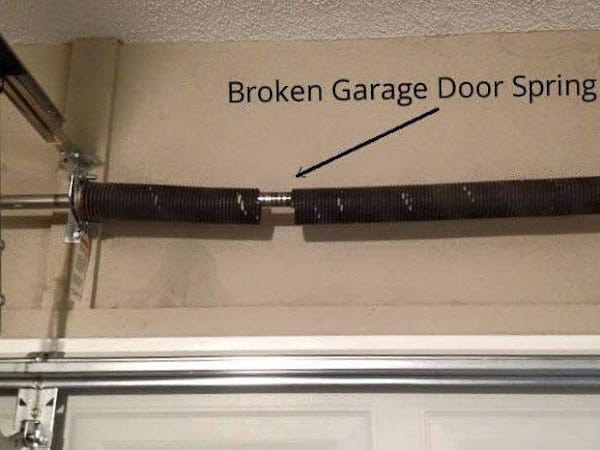
A garage door spring is one of those parts you don’t think about — until it fails. When it breaks, everything stops: your car’s stuck inside, the door won’t budge, and the opener groans under the weight. What most homeowners don’t realize is that those small metal coils are doing most of the heavy lifting every single day. They bear the door’s weight, balance its motion, and make a 200-pound slab of steel move as smoothly as silk.
At Stateline Door & Lift, we’ve replaced thousands of garage door springs across the Kansas City metro. We’ve seen nearly every cause of failure: rust, fatigue, mismatched parts, and even accidental damage from DIY repairs. And while spring replacement might sound simple, it’s one of the most technical — and hazardous — parts of garage door repair.
This guide breaks down ten professional tips every homeowner should know about garage door spring replacement — what to look for, how to plan, and when to call in the experts. By the end, you’ll understand not just how springs work, but how to protect your entire system for years to come.
1. Understand the Job Springs Actually Do
Your garage door springs are more than mechanical accessories — they’re precision-engineered counterweights that quietly handle the heavy lifting every time you use your garage. When people think about what opens their garage door, they often imagine the electric opener doing all the work. In reality, the opener is more like a guide; it directs motion, but the springs provide the power. Without them, even the strongest motor couldn’t lift the door safely or evenly.
Every opening and closing cycle depends on those coils twisting or stretching to balance the door’s weight. A standard residential garage door can weigh between 150 and 300 pounds — sometimes more if it’s insulated or made of solid wood. The springs absorb that weight, storing energy when the door closes and releasing it when the door rises. This balance keeps the opener from overworking, prevents strain on cables, and ensures smooth, consistent movement.
Torsion springs, mounted horizontally above the door, provide stability and even weight distribution. They twist tightly when the door closes and unwind to lift it back up. Extension springs, positioned along the horizontal tracks, stretch to accomplish the same task. While both perform the same core function, torsion springs are generally quieter, longer-lasting, and safer due to their central mounting and controlled motion.
When a spring begins to weaken, balance is the first thing to go. You might notice the door jerking as it lifts, hesitating halfway, or closing with a sudden slam. Sometimes, you’ll hear a sharp snap or see the coils start to separate — all early warning signs that your spring is near failure.
At Stateline Door & Lift, we educate every homeowner about how vital these components are. Springs aren’t just “parts” of your garage system — they’re the core of it. Recognizing their role, and staying proactive about maintenance or replacement, keeps your entire door operating smoothly, safely, and dependably year after year.
2. Identify the Correct Type of Spring
Before you even think about replacement, it’s crucial to understand what kind of spring system your garage door uses. Many homeowners assume all springs are the same, but the design, placement, and function of each type can drastically change how your door performs — and how long it lasts. In most homes, you’ll find one of two main spring styles: torsion springs or extension springs.
Torsion springs are mounted above the door’s header, coiled tightly around a steel shaft. When the door closes, these springs wind up, storing energy. As the door opens, that energy releases in a controlled motion, lifting the door evenly and smoothly. Because the tension is distributed across the shaft, torsion springs offer superior balance, quieter performance, and better longevity. They’re also safer: if a torsion spring breaks, it typically stays contained on the shaft rather than snapping outward.
Extension springs, by contrast, are installed along both sides of the horizontal tracks. They stretch when the door lowers and contract as it rises. This type of spring system was once common in older or budget installations because it’s less expensive upfront. However, extension springs have more exposed parts and depend on separate pulleys and cables to operate correctly. Without proper safety cables, a broken extension spring can whip loose with force — which is why many homeowners choose to upgrade to a torsion system when replacing their springs.
At Stateline Door & Lift, we often recommend torsion conversions for Kansas City homes, especially for larger or heavier garage doors. The upgrade not only improves safety but also enhances door balance, reduces motor strain, and provides smoother, quieter operation over time.
Before beginning any spring replacement, our technicians conduct a full inspection — measuring the door’s size, weight, and frequency of use — to determine the most efficient and durable setup for your home. The goal isn’t just to replace a spring; it’s to design a system that fits your lifestyle, performs flawlessly, and lasts for years without hassle.
3. Know When Springs Are Near the End of Their Life
Garage door springs are built to be durable, but like any mechanical part, they have a finite lifespan. Every spring is rated by cycles, meaning one full opening and closing of the door. A standard torsion spring is typically rated for around 10,000 cycles, while premium, high-cycle springs can reach 30,000 to 50,000 cycles before fatigue sets in. That might sound like a lot, but consider how often your family uses the garage each day — leaving for work, returning home, school runs, errands, and weekend projects. Those cycles add up quickly.
For most households, that 10,000-cycle lifespan translates to about seven to ten years of daily use. Busy families who use the garage as their primary entrance may reach that limit in as little as five years. After thousands of lifts, the constant winding and unwinding cause metal fatigue — the steel weakens, small cracks form, and the spring begins to lose tension.
The signs of wear often start subtly. You may notice your door feels heavier than it used to or that the opener sounds strained during lifting. Sometimes the door hesitates mid-lift, moves unevenly, or closes faster than normal. In many cases, homeowners notice a small gap in the coil, a visible indicator that tension has already been lost. That’s the spring’s way of warning you that failure is near.
Ignoring these signals can lead to sudden breakage — often accompanied by a loud bang that can startle anyone nearby. When that happens, your door may slam shut or refuse to open, putting stress on the opener and other components. Preventive replacement, scheduled before total failure, eliminates the risk of being stuck at the worst possible time and prevents costly secondary damage.
At Stateline Door & Lift, we believe in proactive care. We log installation dates, usage habits, and cycle ratings for every client we serve, so we can alert homeowners before their springs reach the end of their life. That level of planning ensures peace of mind — your garage door will always be ready when you need it, without surprise breakdowns.
4. Always Replace Both Springs at Once
If your garage door operates with two torsion springs, it may be tempting to replace only the one that’s visibly broken. After all, if one side is still working, why spend more? But springs are like teammates — they share the same workload every single day. When one gives out, the other isn’t far behind. Even if the second spring looks fine, it has already experienced the same stress, the same number of cycles, and the same fatigue.
Installing one new spring beside an old one creates an uneven system. The new spring will have full tension and strength, while the older one will be weaker, unable to balance the load evenly. This imbalance can cause the door to lift unevenly, twist slightly on the shaft, or strain the opener as it compensates for inconsistent resistance. Over time, that imbalance can also warp the door panels or stretch cables — leading to additional repairs that cost more than replacing both springs at once.
Think of it like your car’s tires: if one blows out, it’s usually wise to replace both on that axle. The new tire grips differently than the worn one, throwing off balance and stability. Garage door springs work the same way — consistent tension is what keeps the door steady, quiet, and safe.
Replacing both springs together is also financially smart. Labor costs for replacing two springs are nearly identical to replacing one, since the disassembly process is the same. Doing them together saves you the expense and hassle of a second service call a few months later when the other spring inevitably fails.
At Stateline Door & Lift, we always check both springs during every service visit. If one is near its cycle limit, we recommend replacing both to restore perfect balance. Our goal isn’t just to fix what’s broken; it’s to return your entire garage system to peak performance — synchronized, efficient, and built to last.
5. Use the Correct Spring Size and Tension Rating
No two garage doors are exactly alike — even models built by the same manufacturer can vary in weight and balance due to insulation type, panel material, or window design. That’s why every garage system requires a spring with precise specifications for inside diameter, wire thickness, and coil length. These details may seem minor, but they determine exactly how much torque the spring produces and how efficiently it counterbalances the weight of the door.
Using a spring that’s even slightly off can create serious operational issues. A spring that’s too strong will make the door difficult to close — it might bounce back up or refuse to seal properly against the floor. On the other hand, a spring that’s too weak will struggle to lift the door, forcing the opener to work harder than it should. Over time, that imbalance doesn’t just wear down the motor; it can bend tracks, stretch cables, and misalign safety sensors, creating both functional and safety concerns.
Accurate sizing is about more than performance; it’s about longevity. A properly sized spring ensures that your opener operates under minimal strain, allowing the system to run smoothly, quietly, and safely for years. It also helps maintain proper door alignment, preventing uneven wear that can cause gaps, drafts, or excessive vibration.
In essence, the correct spring is the foundation of a well-tuned garage door system. When Stateline Door & Lift installs a replacement, it’s not just about restoring movement — it’s about protecting every component of your system. From the motor to the track alignment and safety sensors, precise sizing keeps everything in harmony and operating exactly as it should.
6. Never Attempt a DIY Spring Replacement
It’s easy to underestimate the tension stored in a garage door spring until you see one fail up close. These coils aren’t just holding the door — they’re holding hundreds of pounds of pressure, tightly wound and ready to release in an instant. That’s why attempting garage door spring replacement without the right tools and training can be one of the most dangerous home repair projects.
A standard torsion spring is engineered to lift doors that weigh 150 to 300 pounds — and it does so by storing rotational energy when wound. One wrong move during installation can cause that energy to snap back with enough force to break tools, damage property, or cause serious injury. Even extension springs, which stretch instead of twist, can whip violently if disconnected incorrectly.
Many DIY videos and blogs make spring replacement look straightforward, but what they don’t show are the countless variables that make every door different. The correct winding pattern, torque settings, and safety cable positioning vary from one system to another. Using makeshift tools like screwdrivers or metal rods instead of precision winding bars is a common mistake — and a costly one. Without controlled leverage, you can’t release or apply tension safely.
Professional technicians, like the team at Stateline Door & Lift, are trained to handle these challenges methodically. We use specialized gauges, clamps, and safety equipment to manage tension step by step. Before a spring is even touched, we secure the door in place, disconnect the opener, and verify the balance of the lift system. Every action is measured, deliberate, and grounded in safety protocols developed through years of hands-on experience.
Beyond the risk of injury, DIY spring replacement often leads to improper calibration. A spring wound too tightly can make the door fly open unexpectedly; too loose, and it may not open at all. Either situation puts unnecessary strain on the motor and increases wear on cables and tracks.
At Stateline Door & Lift, we believe garage door work should never rely on guesswork. Our technicians perform every replacement with precision, ensuring your door operates safely, quietly, and smoothly from day one. When it comes to handling high-tension components, the safest DIY decision you can make is picking up the phone and calling a professional.
7. Inspect Cables, Drums, and Bearings During Replacement
When most homeowners think about garage door spring replacement, they picture only the spring itself — the big, coiled metal part above the door. But that spring is just one part of a carefully balanced lift system. It works in coordination with cables, drums, and bearings, each doing its part to keep the door moving evenly and safely. If any one of those components is worn, the entire system can be compromised, no matter how new the spring is.
Cables are the most commonly overlooked part. These steel lines wrap around the drums on each side of the door and carry the full weight during every opening and closing. Over time, cables can fray, rust, or stretch, especially in Kansas City’s humid climate. Once fraying starts, it spreads quickly — and a cable failure can cause the door to drop unevenly or slam shut. That’s why every professional spring replacement should include a close inspection of both lift cables.
Drums are the grooved wheels mounted on the torsion shaft that help the cables wind and unwind smoothly. Worn drums develop ridges or grooves that prevent proper cable tracking. You might notice the door rising crooked or hear scraping noises as the cables struggle to stay in place. In extreme cases, damaged drums can even let cables slip off, leaving one side unsupported.
Bearings serve a quieter but equally important purpose: they allow the torsion shaft to rotate smoothly. When bearings seize up, the entire system feels jerky or unbalanced. The extra friction can put strain on the new springs, shortening their life span.
At Stateline Door & Lift, we never replace a spring in isolation. Every service includes a detailed system inspection — checking for frayed cables, corroded drums, loose fasteners, and worn bearings. If we find any part that’s close to failure, we recommend replacing it on the spot. Our technicians carry high-grade components on every service truck, allowing same-day repairs without delay.
This proactive approach ensures that when you leave with new springs, you also leave with a garage door system that’s fully balanced, safe, and synchronized. Skipping these supporting parts might save a few minutes today, but it can lead to breakdowns later. When it comes to your garage’s reliability, a complete system check is always worth it.
8. Balance and Calibrate After Installation
Once new springs are installed, the job isn’t finished until the system has been balanced and calibrated. This step is what separates a quick fix from a professional, long-lasting repair. Without proper balance, even brand-new springs can cause your door to move unevenly, strain the opener, or close unpredictably.
A balance test begins with disconnecting the opener so the door can move manually. When lifted halfway, a correctly balanced door should stay in place on its own — not drift up or fall down. If it moves in either direction, the spring tension is off. Adjustments must be made in precise quarter-turn increments until the door holds steady at multiple positions. This fine-tuning is delicate work: too tight, and the door can shoot upward unexpectedly; too loose, and it won’t stay open.
Calibration doesn’t end there. Professionals also verify cable alignment on the drums, ensuring the lift is even on both sides. The opener is then reconnected, and the entire system — including safety sensors, travel limits, and force settings — is tested for smooth, quiet operation. A properly calibrated door glides effortlessly, closes flush with the ground, and requires minimal effort from the opener.
At Stateline Door & Lift, calibration is never an afterthought — it’s the defining step of our service. We make sure your springs aren’t just installed but perfectly balanced, so your garage door performs exactly as it should: silent, steady, and safe with every cycle.
9. Lubricate Regularly and Prevent Corrosion
Even the best garage door springs need care to keep them performing at their peak. Regular lubrication isn’t just about silencing squeaks — it’s about protecting your investment from rust, friction, and premature wear. Springs are made of high-tension steel, and while that makes them strong, it also makes them vulnerable to corrosion, especially in climates with humidity, rain, and seasonal temperature swings like Kansas City’s.
A light coat of silicone-based lubricant every few months dramatically extends the lifespan of your springs. Unlike heavy grease or oil, silicone spray doesn’t attract dirt or dust, and it penetrates between the coils where metal-on-metal friction occurs. This thin layer acts as a shield, allowing the coils to move freely while reducing stress on the metal. It’s simple maintenance that takes just minutes but prevents years of unnecessary wear.
Homeowners should also pay attention to rust buildup. Even a small patch of corrosion can spread quickly, weakening the metal and increasing the risk of snapping. If you notice any rough or discolored areas, gently wipe the spring clean before applying lubricant. During this process, look for small gaps or irregular spacing — early signs of fatigue that indicate it’s time to schedule professional service.
At Stateline Door & Lift, we include lubrication and corrosion checks in every maintenance visit. Our technicians clean each spring, apply protective coatings, and ensure all moving components — from rollers to hinges — operate smoothly. A few preventive minutes of care today can save you the cost and stress of major repairs tomorrow, keeping your garage door running quietly and reliably season after season.
10. Watch for Warning Signs — and Act Fast
Garage door springs rarely fail without notice — they communicate their wear long before snapping. The key is knowing what to watch and listen for. Catching these early warnings can prevent a sudden breakdown, protect your opener from damage, and, most importantly, keep your family safe.
One of the first indicators is a change in how the door feels when opening or closing. If it suddenly feels heavier, or you find yourself needing more force to lift it manually, that’s a sign the spring is losing tension. The opener may also start straining, vibrating, or making groaning noises as it works harder to lift the same weight. That extra load isn’t harmless — it accelerates wear on gears, chains, and motors.
Another red flag is uneven movement. If one side of the door rises faster than the other or you notice the door closing at an angle, a spring or cable may be failing. You might also spot a gap in the coil, a clear indication that tension has been released. When that happens, the door could slam shut or refuse to open altogether.
Perhaps the most unmistakable warning sign is a loud bang from your garage, often mistaken for something falling or even an impact outside. That’s the sound of a spring snapping under pressure. When this happens, don’t try to operate the door. The opener isn’t designed to lift a door without the support of balanced springs — attempting to use it could strip gears or burn out the motor.
At Stateline Door & Lift, we urge homeowners not to ignore these signals. Acting quickly means preventing further damage and avoiding unsafe conditions. Our emergency repair team responds across Kansas City to secure your door, replace broken components, and restore smooth operation safely. A small sign today can save you from a big problem tomorrow — and timely attention always costs less than waiting until failure.
Bonus Tip: Invest in Quality, Not Just Cost
It’s tempting to choose the cheapest option when you replace overhead door springs, but quality matters. Low-grade steel springs may save a few dollars upfront but fatigue much faster, often rusting or snapping within a few years.
Investing in oil-tempered or galvanized high-cycle springs ensures longer life, smoother operation, and fewer service calls. The same goes for hardware and cables — premium components create a system that feels effortless every time you open the door.
At Stateline Door & Lift, we believe garage door spring replacement is a long-term investment in safety and convenience. We use only manufacturer-approved materials rated for Kansas City’s climate and back them with full warranties. When you choose quality, you’re buying peace of mind.
The Value of Preventive Maintenance
Replacing springs restores function, but maintaining them preserves it. Preventive care keeps the entire lift system balanced and efficient. Each year, schedule a professional inspection where technicians can check tension, lubricate parts, and verify all safety mechanisms.
A well-maintained door not only lasts longer but also protects your opener, panels, and tracks from unnecessary stress. Over time, that attention pays off in lower repair costs and quieter daily performance.
Stateline Door & Lift offers maintenance programs that include annual tune-ups, safety checks, and minor adjustments before they become major issues. Homeowners who stay proactive avoid emergency breakdowns and enjoy consistent performance for decades.
Conclusion: Safety and Reliability Start with the Right Spring
Your garage door is the largest moving structure in your home, and its springs are its muscle. When they fail, convenience and safety fail with them. Understanding how springs work, recognizing signs of wear, and trusting professionals for replacement ensures your system operates smoothly, quietly, and safely every day.
Whether you’re facing a sudden break or planning preventive maintenance, Stateline Door & Lift is your trusted partner for garage door repair spring replacement in the Kansas City area. Our technicians bring the expertise, precision, and commitment that turn a stressful repair into a smooth, lasting solution.
If your garage door feels heavy, jerks open, or makes loud metallic pops, it’s time to schedule a professional inspection. Call Stateline Door & Lift today for fast, safe, and certified garage door spring replacement services. We handle every detail — from sizing and balance to full calibration — so your door runs like new again.
Trust Kansas City’s leader in garage door service to restore strength, safety, and peace of mind to your home.