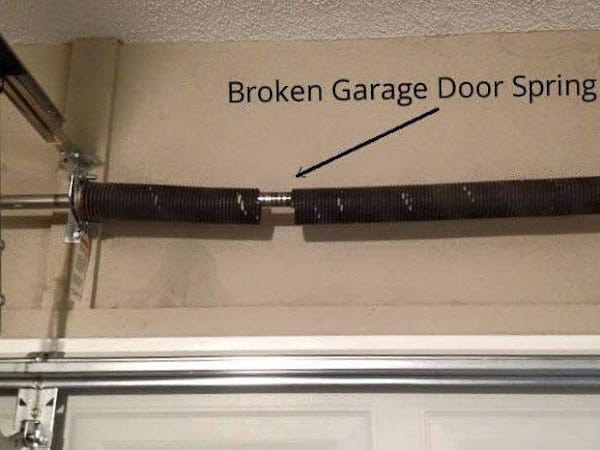
It happens when you least expect it. You’re rushing out the door for work, hit the garage button, and nothing. The opener hums, but your garage door stays put like a stubborn mule.
You try opening it manually, and suddenly realize just how heavy that door really is without spring assistance. That’s when it hits you—your garage door spring has broken.
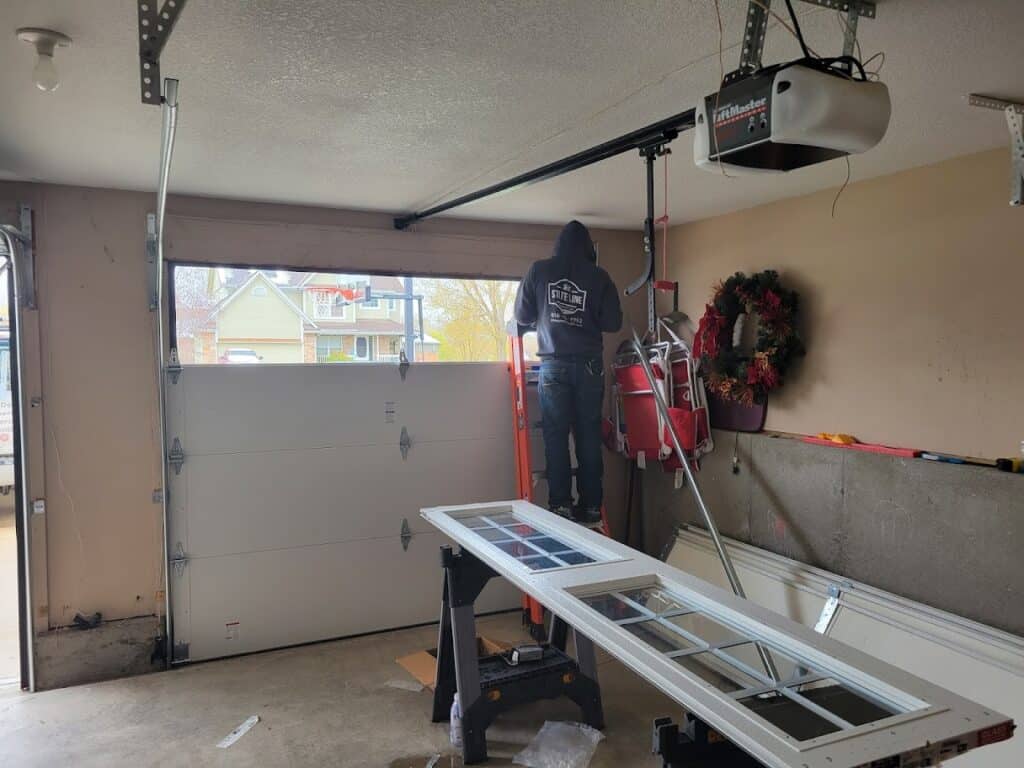
At State Line Door & Lift, we get these panicked calls every week from homeowners across Kansas City. Garage door spring replacement is one of the most common repairs we handle, and we’ve learned that most homeowners have no idea what they’re dealing with until they’re standing in their garage, staring at a broken spring.
Here’s the thing about replacing garage door springs: it’s not a typical DIY project. These springs are under tremendous tension—enough to seriously injure or kill someone if handled incorrectly. But that doesn’t mean you should be completely in the dark about the process.
Understanding what to expect when you need a garage door spring replacement helps you make informed decisions, avoid costly mistakes, and know what to expect when professionals handle the work. Whether you’re dealing with a broken spring emergency or planning ahead, these ten tips will help you navigate the process safely and smartly.
1. Never Attempt DIY Spring Replacement (Seriously, Don’t)
Let’s start with the most important tip: garage door spring replacement is not a DIY job. Period.
We’ve seen the results of homeowners who tried to save money by replacing garage door springs themselves. Emergency room visits, damaged property, and repairs that cost far more than professional service would have.
Why spring replacement is dangerous:
- Torsion springs can store 200-400 pounds of tension
- Springs under tension can snap with explosive force
- Improper handling can cause springs to fly across the garage
- Wrong tools can slip, causing serious injury
- Incorrect installation creates ongoing safety hazards
Common DIY disasters we’ve seen:
- Homeowner hit in the face by a spring that snapped during removal
- Garage door falling and crushing a car when springs were removed incorrectly
- Springs flying across garages and damaging walls, windows, or vehicles
- Incorrectly installed springs failing within days, causing more damage
Professional garage door repair spring replacement technicians have specialized tools, training, and experience to handle springs safely. The money you save attempting DIY isn’t worth the risk to your safety or your family’s wellbeing.
When to call professionals immediately:
- Any time a spring breaks or shows signs of failure
- If you hear loud snapping sounds from your garage
- When your door becomes extremely heavy to lift manually
- If you see a gap in the spring coils or obvious damage
2. Understand the Two Main Types of Garage Door Springs
Not all garage door springs are the same. Understanding which type you have affects replacement costs, timing, and safety considerations.
Torsion Springs:
- Mount horizontally above the garage door opening
- Twist to store and release energy
- Typically last 15,000-20,000 cycles (10-15 years for average use)
- More expensive but longer-lasting
- Safer when they break (energy releases more gradually)
- Standard on most modern residential installations
Extension Springs:
- Run along the horizontal tracks on both sides of the door
- Stretch and contract to counterbalance door weight
- Usually last 10,000-15,000 cycles (7-12 years for average use)
- Less expensive initially but require more frequent replacement
- Can be more dangerous when they break
- Often found on older garage doors
Which system is better? Torsion springs are generally superior for safety, longevity, and performance. If you have extension springs and need replacement, consider upgrading to torsion springs for long-term benefits.
How to identify your spring type: Look above your garage door. Torsion springs are mounted on a rod directly above the opening. Extension springs are visible along the tracks on either side.
3. Replace Both Springs at Once (Even When Only One Breaks)
Here’s a mistake we see homeowners make all the time: replacing only the broken spring to save money upfront.
Why this backfires:
- The remaining spring is probably close to failure too
- Springs are manufactured as matched pairs for balanced operation
- Mixing old and new springs creates uneven lifting
- You’ll likely face another service call within months
- Labor costs make single replacements less cost-effective
The math on spring replacement: These are national averages – call us for a free competitive quote for garage door repair services in Kansas City!
- Single spring replacement: $150-250 + service call
- Second spring breaks in 3-6 months: Another $150-250 + service call
- Total cost: $300-500 plus two service disruptions
- Both springs replaced together: $200-350 total
- Balanced operation for 10-15 years
- Single service call and disruption
When single replacement makes sense:
- Springs are less than 2 years old
- One spring broke due to manufacturing defect
- Budget constraints require staged replacement
Professional recommendation: We always give customers the choice, but explain why dual replacement is usually the smarter long-term decision.
4. Quality Matters More Than Price
When it comes to garage door spring replacement, buying the cheapest springs available will cost you more in the long run.
Spring quality factors that matter:
- Wire gauge (thicker wire lasts longer)
- Number of coils (more coils distribute stress better)
- Steel quality and tensile strength
- Protective coatings and finishes
- Expected cycle life ratings
Budget vs. premium spring comparison:
- Budget springs: 10,000 cycles, basic steel, minimal coating
- Premium springs: 25,000+ cycles, high-carbon steel, galvanized coating
- Price difference: $30-50 per spring
- Lifespan difference: 5-10 additional years of service
What quality gets you:
- Longer service life before replacement
- Better resistance to rust and corrosion
- Smoother, quieter operation
- More consistent performance over time
- Better warranties from manufacturers
We stock high-quality springs that exceed residential requirements. They cost slightly more, but our customers rarely need spring replacement again during their time in the home.
5. Timing Your Replacement Can Save Money and Hassle
Don’t wait for complete spring failure to consider replacement. Smart timing can prevent emergencies and save money.
Warning signs springs need attention:
- Door feels heavier when lifting manually
- Opener struggles or makes strained sounds
- Door doesn’t stay open when released at mid-height
- Visible rust, corrosion, or small cracks in spring coils
- Gap appears in torsion spring coils
- Extension springs look stretched or deformed
Ideal replacement timing:
- During scheduled annual maintenance
- When springs show obvious wear but still function
- Before extreme weather seasons (springs fail more often during temperature swings)
- When planning other garage door work (combine service calls)
Emergency replacement drawbacks:
- Limited scheduling flexibility
- Potential for rushed decisions
- Higher service rates for emergency calls
- Inconvenience of being unable to use your garage
Seasonal considerations: Spring failures spike during Kansas City’s winter months. Consider replacement in the fall if springs show wear—don’t wait for the first cold snap.
6. Understand Spring Sizing and Specifications
Garage door springs must be precisely sized for your specific door. Wrong specifications lead to premature failure, poor performance, and safety issues.
Critical spring measurements:
- Inside diameter (must fit properly on mounting shaft)
- Wire size (determines strength and durability)
- Overall length (affects how much torque the spring provides)
- Wind direction (left-hand or right-hand wind for torsion springs)
Door specifications that affect spring sizing:
- Door weight (including insulation and hardware)
- Door height and width
- Track configuration and lifting mechanism
- Counterbalance requirements
Common sizing mistakes:
- Using “universal” springs that don’t match door weight
- Choosing springs based on price instead of specifications
- Mixing different spring types or sizes
- Ignoring manufacturer recommendations
Professional measurement process: We measure door weight, calculate required spring force, and verify all specifications before ordering springs. This ensures optimal performance and safety.
DIY measurement risks: Even small errors in spring sizing can cause major problems. Springs that are too weak won’t lift the door properly. Springs that are too strong can cause dangerous rapid opening or closing.
7. Factor in All Related Components
Smart homeowners use spring replacement as an opportunity to address other worn components. This approach saves money and prevents future problems.
Components to inspect during spring replacement:
- Cables (often show wear when springs are failing)
- Rollers (worn rollers stress springs and openers)
- Hinges (loose or worn hinges affect door balance)
- Mounting hardware (bolts and brackets may need tightening)
- Weather sealing (replacement is easy when door is serviced)
Cost-effective component combinations:
- Springs + cables: Often wear together, similar labor requirements
- Springs + rollers: Upgrading to sealed bearings during spring service
- Springs + weather stripping: Easy add-on during service call
When to replace components together:
- Components show similar wear patterns
- Multiple items are near end of service life
- Labor costs make combined replacement economical
- You want to minimize future service calls
Professional assessment: During spring replacement, we inspect the entire door system and recommend any components that need attention. This prevents surprises and helps you plan maintenance budgets.
8. Consider Upgrading Your Entire System
Sometimes garage door spring replacement is the perfect time to upgrade your entire door system for better performance, safety, and convenience.
When system upgrade makes sense:
- Door is 15+ years old with multiple worn components
- Repeated repairs approach cost of new door
- Safety features are outdated or missing
- Energy efficiency is poor due to old construction
- Appearance no longer matches home’s style
Upgrade cost comparison:
- Spring replacement + ongoing repairs: $200-500 annually
- New door with modern features: $800-2,500 one-time cost
- Long-term savings from reduced maintenance and energy efficiency
Modern door advantages:
- Integrated safety features that exceed older standards
- Better insulation for energy savings
- Quieter operation with advanced hardware
- Smart home integration capabilities
- Improved security features
Upgrade timing benefits:
- Avoid repeated service calls for aging components
- Take advantage of manufacturer warranties on complete systems
- Improve home value and curb appeal
- Benefit from latest safety and convenience features
We help homeowners evaluate whether repair or replacement makes more sense based on door age, condition, and long-term costs.
9. Plan for Professional Installation Costs
Understanding the full cost of garage door spring replacement helps you budget properly and avoid surprises.
Typical spring replacement costs: Again, these are national averages that range depending on region, season, product selected and the installation rates provided by the garage door repair company – for a competitive quote, contact Stateline Door & Lift today!
Torsion spring replacement:
- Single spring: $150-250 including labor
- Both springs: $200-350 including labor
- High-cycle upgrade springs: Add $50-100
Extension spring replacement:
- Single spring: $100-175 including labor
- Both springs: $150-275 including labor
- Upgrade to torsion system: $300-500
Additional costs to consider:
- Cable replacement: $50-100 per cable
- Emergency service fees: $50-100 additional
- Weekend/holiday service: $75-150 premium
- Permit fees (rare but required in some areas): $25-75
Cost factors that affect pricing:
- Door size and weight (heavier doors need stronger springs)
- Spring quality and expected lifespan
- Accessibility of mounting points
- Need for additional repairs discovered during service
- Geographic location and local labor rates
Getting accurate estimates: Reputable contractors provide detailed estimates that break down parts and labor costs. Be wary of estimates that seem unusually low—they often don’t include necessary components or quality springs.
10. Choose the Right Professional for the Job
Not all garage door companies are created equal. Choosing the right professional for garage door spring replacement affects safety, quality, and long-term satisfaction.
What to look for in a service provider:
- Proper licensing and insurance coverage
- Experience specifically with spring replacement
- Quality spring brands and warranties offered
- Transparent pricing with detailed estimates
- Local reputation and customer reviews
Red flags to avoid:
- Door-to-door salespeople offering “deals”
- Estimates that seem unusually low
- Pressure to make immediate decisions
- No license or insurance verification
- Poor reviews focused on safety or quality issues
Questions to ask potential garage door repair contractors:
- How long have you been doing spring replacements?
- What brands of springs do you stock?
- Do you warranty both parts and labor?
- Can you provide local references?
- What’s included in your service call?
Emergency service considerations:
- What are emergency service fees and response times?
- Do they stock common springs for immediate replacement?
- Will they provide temporary solutions if parts aren’t available?
Local advantage: Choose local companies with established reputations. They’re more likely to stand behind their work and be available for follow-up service.
Understanding the Replacement Process
Knowing what to expect during professional garage door spring replacement helps you prepare and ensures quality work.
Typical replacement process:
- Safety assessment: Technician evaluates door condition and identifies hazards
- Spring measurement: Precise measurement of existing springs and door specifications
- Component inspection: Check cables, rollers, and other hardware condition
- Safe removal: Use specialized tools to safely release spring tension
- Installation: Mount new springs with proper tension and alignment
- Testing: Verify door balance, opener operation, and safety features
- Cleanup: Remove old parts and debris from work area
What homeowners should do:
- Clear vehicles and belongings from garage
- Ensure adequate lighting in work area
- Keep children and pets away during service
- Ask questions about maintenance and operation
Quality indicators during service:
- Technician uses proper safety equipment
- Springs are measured before installation
- Door operation is tested thoroughly before completion
- You receive documentation of work performed and warranties
Making Smart Decisions About Spring Replacement
When facing garage door spring replacement, keep these final considerations in mind:
Safety first: Never compromise on safety to save money. Professional replacement is always worth the cost compared to DIY risks.
Think long-term: Quality springs and professional installation cost more upfront but save money over time through better performance and longer service life.
Consider timing: Don’t wait for complete failure if springs show wear. Planned replacement is more convenient and often less expensive than emergency service.
Evaluate the whole system: Use spring replacement as an opportunity to address other maintenance needs and consider whether upgrades make sense.
Choose quality professionals: The cheapest estimate isn’t always the best value. Focus on experience, reputation, and quality of work.
When You Need Spring Replacement
If you’re dealing with broken springs or signs of spring wear, don’t wait. Broken springs make your garage door dangerous to operate and put stress on other components.
At State Line Door & Lift, we handle garage door spring replacement throughout the Kansas City area with same-day service availability. We stock high-quality springs, use proper safety procedures, and warranty our work.
Our spring replacement service includes:
- Complete safety assessment of your door system
- Precise measurement and specification of replacement springs
- Professional installation with specialized tools
- Testing of door balance and opener operation
- Inspection of related components
- Clear warranty on parts and labor
Whether you need emergency spring replacement or want to replace overhead door springs proactively, we’re here to help you keep your garage door operating safely and reliably.
Call State Line Door & Lift at 816-616-8352 for professional garage door spring replacement. Let’s get your door working properly again, safely and efficiently.