Insights for Kansas & Missouri homeowners from State Line Door & Lift
When your garage door malfunctions—whether it’s a broken spring, noisy opener, or stuck panel—it can disrupt your day and risk your home’s security. Unfortunately, well-meaning homeowners often try to fix issues themselves or turn to discount repair shops, and these common mistakes frequently lead to bigger, costlier problems.
Here are the 10 most frequent errors we see, how they impact your door’s function and safety, and how State Line Door & Lift helps homeowners in Grain Valley, Kansas City, Blue Springs, and the surrounding region get it right the first time.
1. Ignoring Warning Signs Until It’s an Emergency
Most garage door failures escalate because homeowners overlook small warning signs: a grinding noise, slower motor response, or a panel that dips slightly. These minor symptoms signal deeper issues—like misaligned tracks, worn rollers, or failing springs. Waiting until your door is stuck or suddenly breaks often turns a $150 fix into a $600 emergency call.
Example: When sensors misalign, the opener may reverse mid-way. Left unchecked, this misalignment can wear out parts like rollers—which, in turn, may cause the door to jam or fall unexpectedly.
Expert tip: Treat small issues as precursors. Schedule a free evaluation with Stateline Door & Lift to address them before they worsen. We will diagnose sensor alignment, check opener settings, and inspect key components to prevent sudden breakdowns.
2. Trying DIY Repairs Without Proper Tools or Knowledge
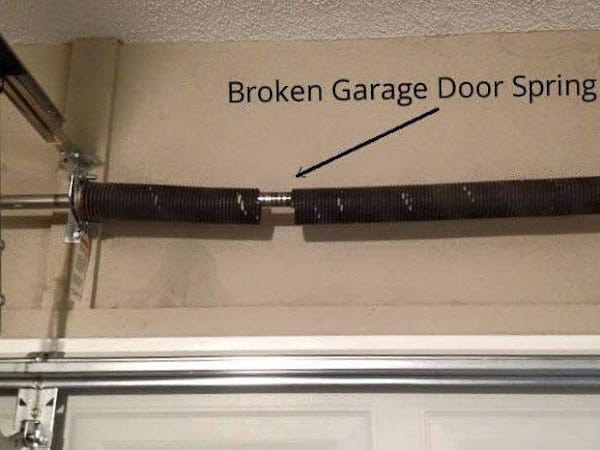
Garage doors are mechanical systems under huge tension—especially the springs. Without specialized tools and training, DIY attempts at spring adjustments or opener fixes can lead to serious injury and further damage.
For instance, incorrect spring tension can cause doors to slam shut or strain the opener. Similarly, DIY installation of safety eyes or cross-members on the opener often fails to meet safety standards, risking entrapment hazards.
State Line Door & Lift technicians are trained to perform safe, compliant repairs. We have the right winding bars, lift systems, and torque wrenches for precision. This protects your family and preserves your equipment’s warranty and resale value.
3. Overlooking Garage Door Opener Trouble-Signs
Many homeowners lump all issues under “broken opener,” when in reality a problem could stem from misaligned sensors, low gears, or outdated force settings.
Symptoms to look for:
- Slow, grinding opener – often a sign of worn gears.
- Remote works erratically – could be due to RF interference or dying batteries, not a dead opener.
- Door stops closing mid-way – usually caused by safety sensor misalignment.
Adjusting the close-force too high or tampering with sensors can bypass safety standards. Instead, State Line Door & Lift offers a focused opener inspection service that tests force, wiring, and sensors—and can retrofit smart tech if you’re ready to upgrade.
4. Skipping Regular Maintenance and Lubrication
Neglected components cause wear: friction on hinges, frozen rollers, rusty tracks—all lead to jerky movement and stress on the opener and springs. Worse, parts wear unevenly and can fail unexpectedly at inconvenient times.
We recommend a twice-yearly maintenance schedule, including:
- Inspecting tracks, rollers, hinges
- Lubricating all moving parts
- Testing balance and springs
- Checking sensors and auto-reverse functionality
State Line’s grain valley clients benefit from priority scheduling and technician reminders—ensuring components last longer and operate safely.
5. Using Incorrect Replacement Parts
Not all garage door parts are equal. Generic springs, cheap rollers, and misfit cables can make your door fail repeatedly—and prematurely.
For example, standard torsion springs typically last ~10,000 cycles. Upgrade to high-cycle springs (~25,000–50,000 cycles) and you may double your door’s longevity.
Likewise, using sealed bearings in rollers, zinc-plated tracks, and quality cables minimizes wear and noise.
6. Ignoring Weather and Seasonal Stress
In the Midwest, seasonal extremes—from hot, humid summers to icy winters—affect your garage door’s performance.
Metal expands in heat, which can cause door bottom binding; cold thickens lubricants and can stiffen springs.
Misaddressed, these changes lead to stretched cables, rust risk, and unbalanced panels.
Seasonal service visits allow your technician to catch these weather-related wear signs early—tightening bolts, adjusting torsion, and replacing weatherstripping to protect your door and home.
7. Over-Relying on the Keypad or App Instead of Manual Use
While remote access is convenient, over-use without manual testing causes components to degrade unnoticed.
Keypads and remotes store battery and receiver issues, potentially leaving you locked out when needed.
Manual operation reveals imbalances and drag early—when fixes are cheap.
At State Line, we test both remote and manual operation during service calls and software-upgrade your opener to include Wi-Fi-enabled smart controls that support local troubleshooting and remote diagnostics.
8. Hiring the wrong company
Cheap and fast technicians are often shortcuts to poor results: inadequate diagnostics, low-tier parts, and lack of warranties.
The result? Repairs that don’t last—and repeat service calls.
9. Failing to Inspect After Impact Damage
A minor bump—like a scooter hitting your overhead door—can appear cosmetic, but may unbalance panels, bend tracks, and loosen internal brackets.
Even small distortions in alignment increase strain on springs and cables over time.
Don’t ignore these minor accidents. A full evaluation can keep a minor repair from becoming a major door reconstruction. Call State Line, and they’ll replace panels and align tracks quickly for minimal downtime and an aesthetically cohesive result.
10. Neglecting Post-Repair Testing and Follow-Up
Many homeowners forget that proper repair always includes a comprehensive functional test: safety sensors, auto-reverse force, balance, and leveling.
Completing the repair marks only half the process. Without final testing, close interactions may fail, or reverse force may be excessive after a spring change.
In Summary
Avoid these pitfalls and you protect:
- Your safety (springs, sensors)
- Your investment (no part mismatch, lasting repairs)
- Your family’s peace of mind (quieter, smoother operation)
At State Line Door & Lift, we’re not just a garage door repairman providing excellent service—we’re neighbors. Our grain-valley-based, family-run team guides you with transparency and trust from first call to final test.
Ready to Avoid Costly Mistakes? Call State Line Door & Lift Today
Don’t wait for an emergency. Schedule your comprehensive garage door repair service and inspection today:
816‑616‑8352 or online scheduling for KC metro and Grain Valley, MO.