3 Reasons Why Your Garage Door Is Making Noise
A noisy garage door isn’t just annoying—it’s usually a sign that something is off. While all garage doors make some sound when operating, excessive grinding, squealing, rattling, or banging could point to wear and tear, poor installation, or even an impending breakdown. If you’ve recently searched for “garage door noise” or suspect your garage door opener is part of the problem, here are three key culprits behind the racket.
1. Worn-Out Rollers or Hinges
What it sounds like:
- Squeaking, screeching, or rattling when the door moves.
What’s going on: Garage door rollers and hinges help guide the door smoothly up and down its track. Over time, these parts collect dust, lose lubrication, or simply wear out. Metal-on-metal contact becomes louder and rougher until it’s impossible to ignore.
What to do:
- Apply a silicone-based lubricant to all moving metal parts every 3-4 months.
- Inspect for signs of rust, wobble, or uneven movement.
- Replace worn rollers or cracked hinges before they damage your track system.
Pro tip: Nylon rollers are quieter than steel and don’t require as much upkeep. They’re worth the upgrade if noise is a top concern.
2. Problems With the Garage Door Opener
What it sounds like:
- Grinding, humming, or whining from the ceiling unit.
What’s going on: The garage door motor, especially in chain-driven or screw-driven systems, can become noisy as internal gears wear down. Loose mounts or vibration can also cause the opener housing to rattle. In some cases, poor lubrication or a dying motor might be the root cause.
What to do:
- Tighten the opener’s mounting hardware.
- Lubricate the chain, screw, or belt as recommended.
- Listen for changes in pitch, which could mean gear damage.
- Consider upgrading to a belt-drive or direct-drive opener, which are much quieter by design.
Brand insight: Sommer and LiftMaster both offer ultra-quiet options that dramatically reduce garage door opener problems related to noise. If it is time to replace your garage door, contact a local garage door repair shop.
3. Loose or Unbalanced Door Components
What it sounds like:
- Banging or thudding, especially at the start or end of movement.
What’s going on: Over time, the nuts, bolts, and brackets that hold your garage door system together can loosen from vibration. If the door is unbalanced, it may jerk during movement or slam shut more aggressively, stressing the opener and increasing wear.
What to do:
- Check for loose hardware and tighten as needed.
- Perform a balance test by manually lifting the door halfway to see if it stays in place.
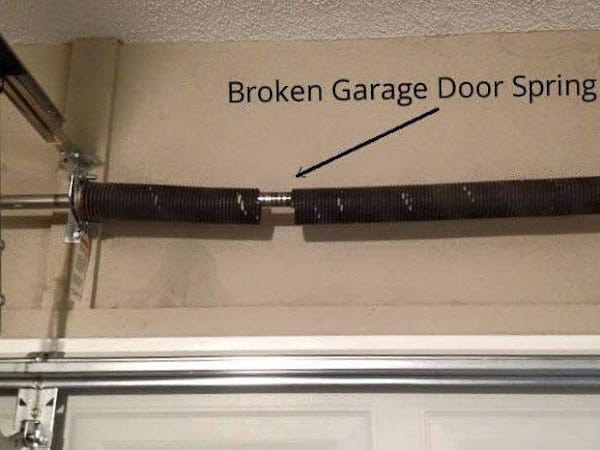
- Call a professional if the door feels heavy or slams down when released—that could indicate spring or cable issues.
Pro tip: Annual maintenance can catch small imbalances before they turn into bigger garage door motor or track failures.
Whatever you do – Don’t Ignore the Noise
Garage door noise is more than just a nuisance. It’s your system’s way of asking for attention. Addressing the sounds early can prevent more serious issues with your garage door opener or motor down the road.
If your garage door is keeping the whole house up at night, it might be time for a garage door tune-up or replacement parts. Don’t wait until it stops working entirely—listen to what your garage is telling you and act before a little noise becomes a big problem.